
Industry

Most quality issues were observable before they were recorded

On a production floor, the condition that causes a defect, a stoppage or an injury is typically observable at the time and documented afterwards, by which point the value of that knowledge has largely been lost. X-Shift addresses this gap, as well as the service layer between a manufacturer and the distributors and customers who depend on it.

Sector
Manufacturing & Industrial
Portfolio
Curated for this sector, not limited to it

What we do here

What X-Shift does inside a manufacturer

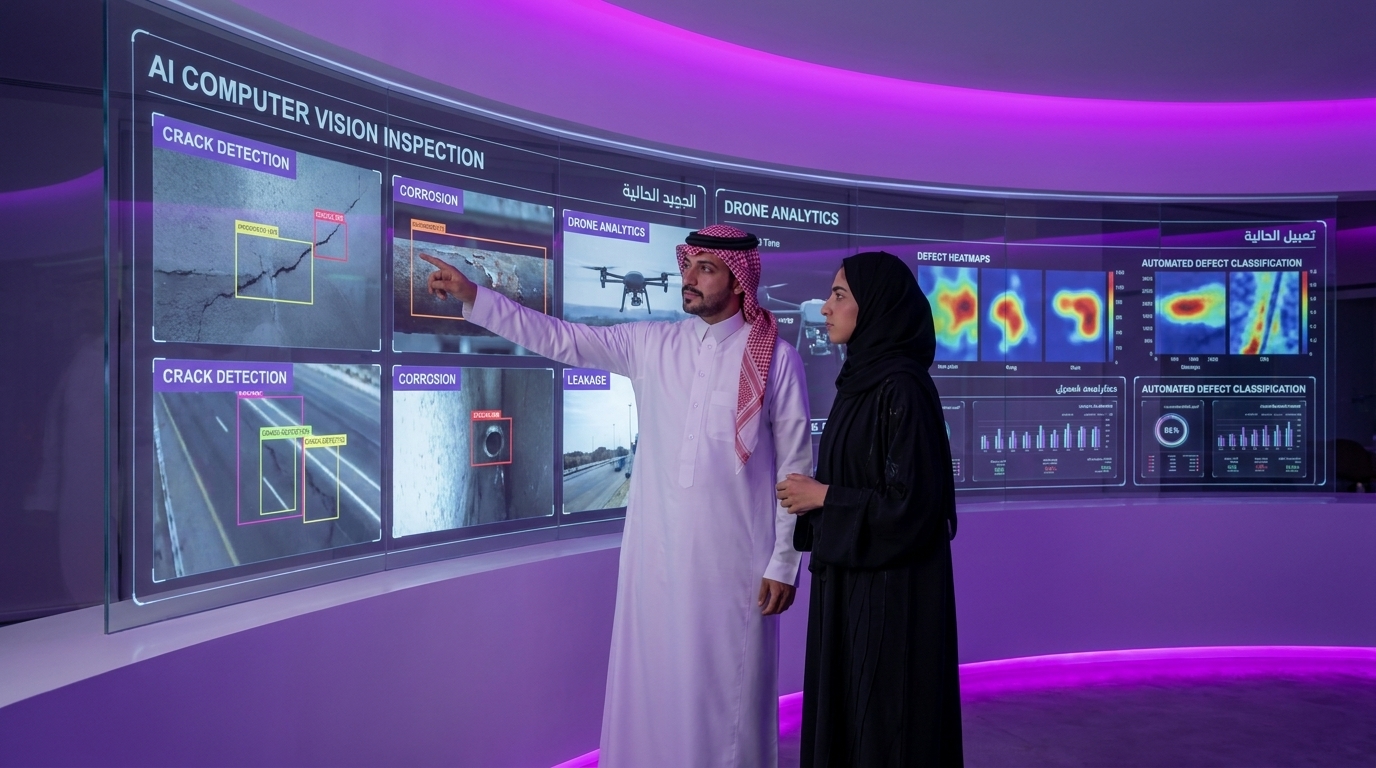
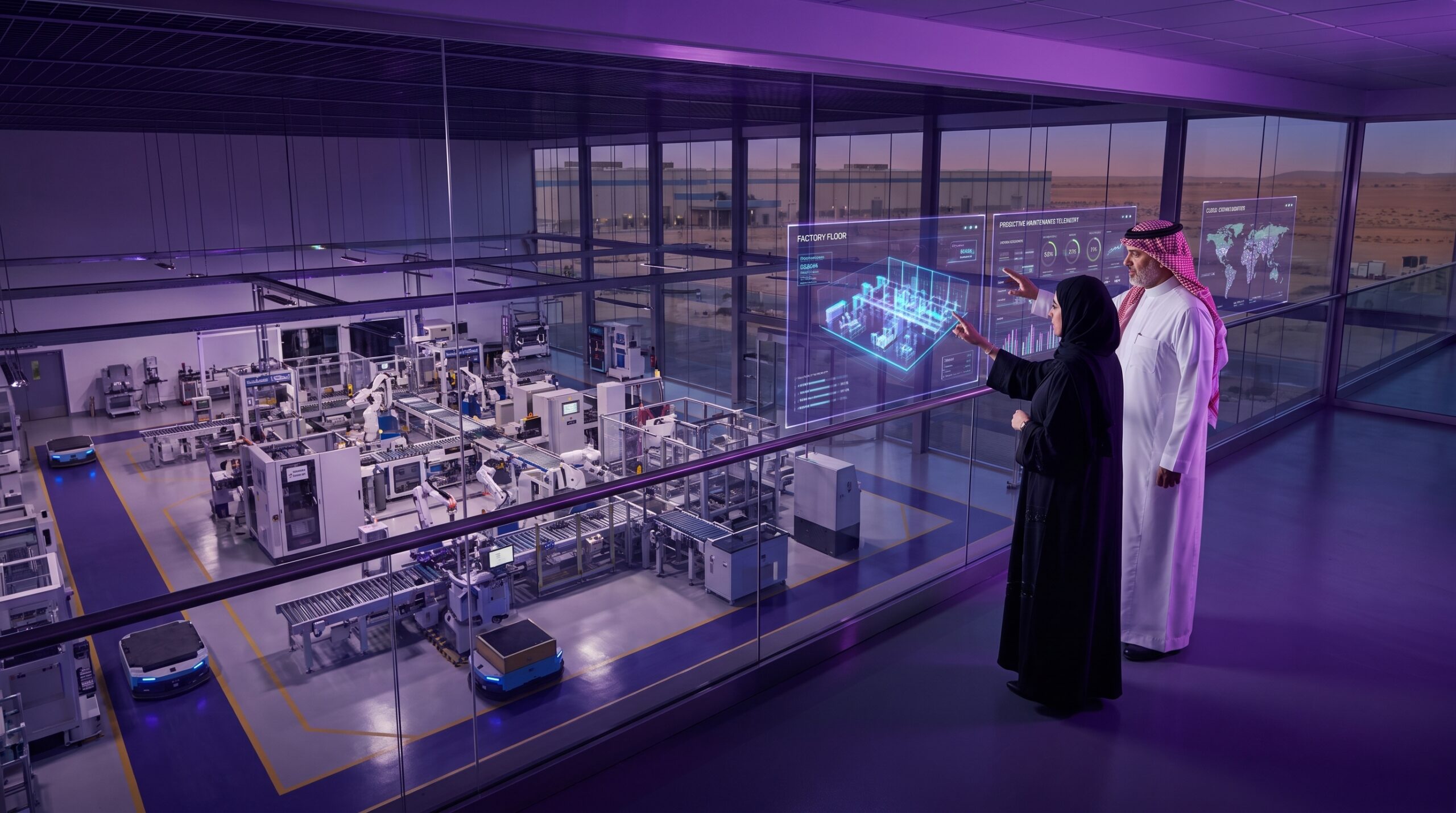
Two connected areas. On the floor: visual detection of safety and operating conditions, and structured remote inspection where a qualified opinion is required. Off the floor: the service and case layer that manages distributors, customers and warranty.

X-Shift does not operate production, hold quality accountability or replace the manufacturing execution system (MES) or enterprise resource planning (ERP) system. X-Shift is accountable for the detection, inspection and service layers, and for integrating them with the systems that already hold the work.

  1. 01

    A visual intelligence implementation for protective equipment, restricted-zone entry and operating conditions.

  2. 02

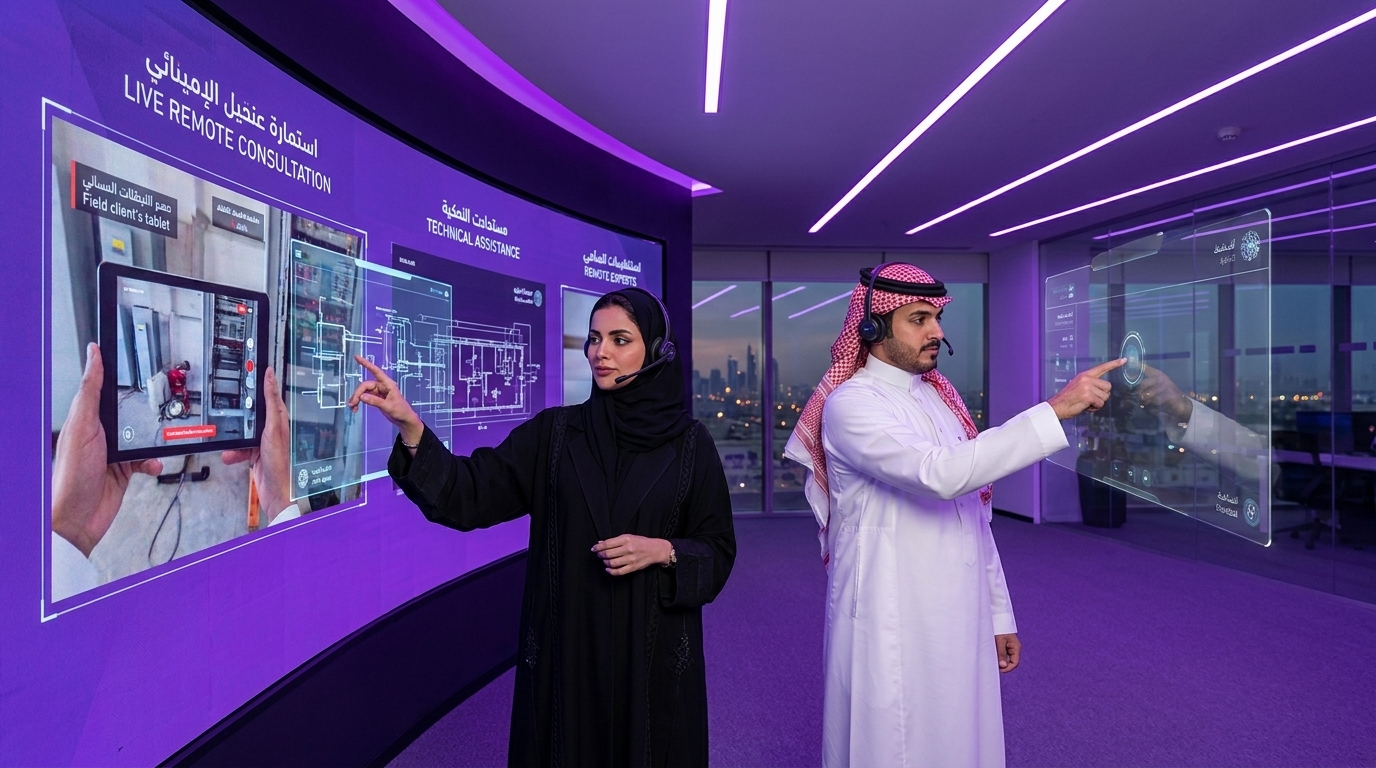
    A remote inspection capability for supplier, quality and corrective-action verification.

  3. 03

    A case implementation for distributor, warranty and customer service management.

  4. 04

    A managed arrangement for first-line customer and distributor support.

Sector pressures

Evidence after the fact is not evidence in time

Reporting indicates what occurred. Detection indicates what is occurring.

Manufacturing operations are generally well measured but poorly observed. The systems record output, downtime and defects accurately, but record the conditions that produced them either late or not at all. The result is a monthly discussion about causes that can no longer be examined.

The second pressure is the distance between plant and customer. Where distributors operate in between, a quality issue reaches the manufacturer as a summary rather than as a case, and the pattern across distributors remains invisible until it becomes significant.

What changes

What the operation can state afterwards

  1. 01

    Which safety and operating conditions were detected, on which line, and what was done.

  2. 02

    Which supplier and quality inspections were completed remotely, and which required attendance.

  3. 03

    Whether corrective actions were closed with evidence or closed by assertion.

  4. 04

    What distributors and customers are raising, grouped by cause rather than by the individual who took the call.

  5. 05

    Which conditions recur across sites rather than being confined to a single location.

Portfolio

The full portfolio applied in manufacturing

Solutions, services and platforms that X-Shift applies across manufacturing and industrial operations.

Common questions

What manufacturers ask first

Will this interfere with production systems?

No. The visual layer reads from the camera estate and runs inference on site; it does not sit in the control path of any production system. Where data is written, an event is recorded in the systems nominated by the client through integration, with the permissions granted by the client.

The existing cameras are old. Does that preclude this?

Typically not. The connection is made through the network video recorder (NVR) or video management system (VMS) already in place rather than to the cameras directly, and what matters more than camera age is placement, lighting and field of view. This is established by a site review before any commitment is made.

Can detection be relied upon for safety enforcement?

It should be treated as an aid to the process, not as the authority. Detection raises a validated event with evidence attached; a person confirms and decides. Where a regulator or the client's own standard requires human assessment, a person has performed that assessment.

What about concerns raised by the workforce?

It is a legitimate concern and should be addressed explicitly in the design. Detection applied to conditions (equipment, zones and hazards) is a different proposition from detection applied to individuals, and the scope should be documented and communicated rather than left ambiguous.

Next

Where to take this next

01

Commence with one line and one condition

Apply detection to a single, well-defined condition on one production line, measure false alerts and response times, and determine on that evidence whether to extend it.

Applicable where cameras are installed and conditions are still identified after the fact.

Smart Inspection & Computer Vision
02

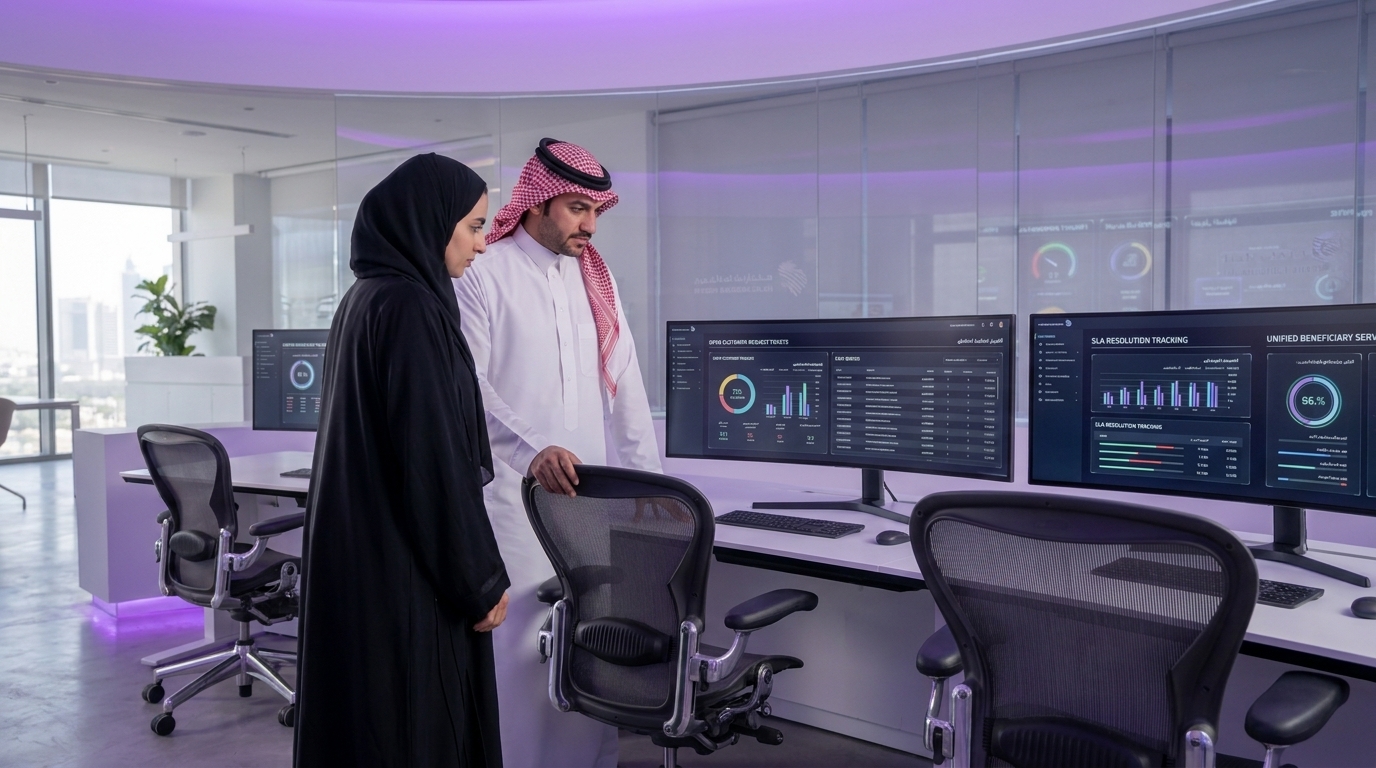
Commence with the warranty case

Establish a single case object behind distributor, plant and quality so that a customer issue no longer restarts at each handover, then analyse what the pattern across distributors demonstrates.

Applicable where quality issues reach the plant as summaries rather than as cases.

Consult X-Shift

Priority services

The professional services that typically accompany it

Delivered by the same team

Advisory, design and integration are delivered by the professionals who operate the result.

Nothing here is sector-exclusive

Explore the full X-Shift portfolio

This page presents the offerings most relevant to manufacturing and industrial operations. It does not represent the full extent of what X-Shift delivers in this sector.

Commence with the constraint, not the catalogue.

X-Shift establishes whether the constraint resides in strategy, process, technology or operating model, and what is required to resolve it.