
Industry

The condition is on site. The decision is made elsewhere

Energy operations span sites that are remote, heavily reliant on contractors and governed by standards with significant consequences. The recurring problem is not a shortage of rules; it is the distance between where a condition exists and where a qualified individual can observe it, make a decision on it and subsequently demonstrate that this was done.

Sector
Energy & Oil & Gas
Portfolio
Curated for this sector, not limited to it

What we do here

What X-Shift does inside an energy operation

X-Shift's work in this sector concentrates on three areas: observing site conditions without dispatching personnel, converting standards into controls that produce evidence, and managing the service and case layer around contractors, permits and incidents.

X-Shift acts as a systems integrator in this sector. X-Shift does not operate plant, hold safety accountability or certify compliance. X-Shift is accountable for the platforms, the integration and the evidence trail behind what they record.

  1. 01

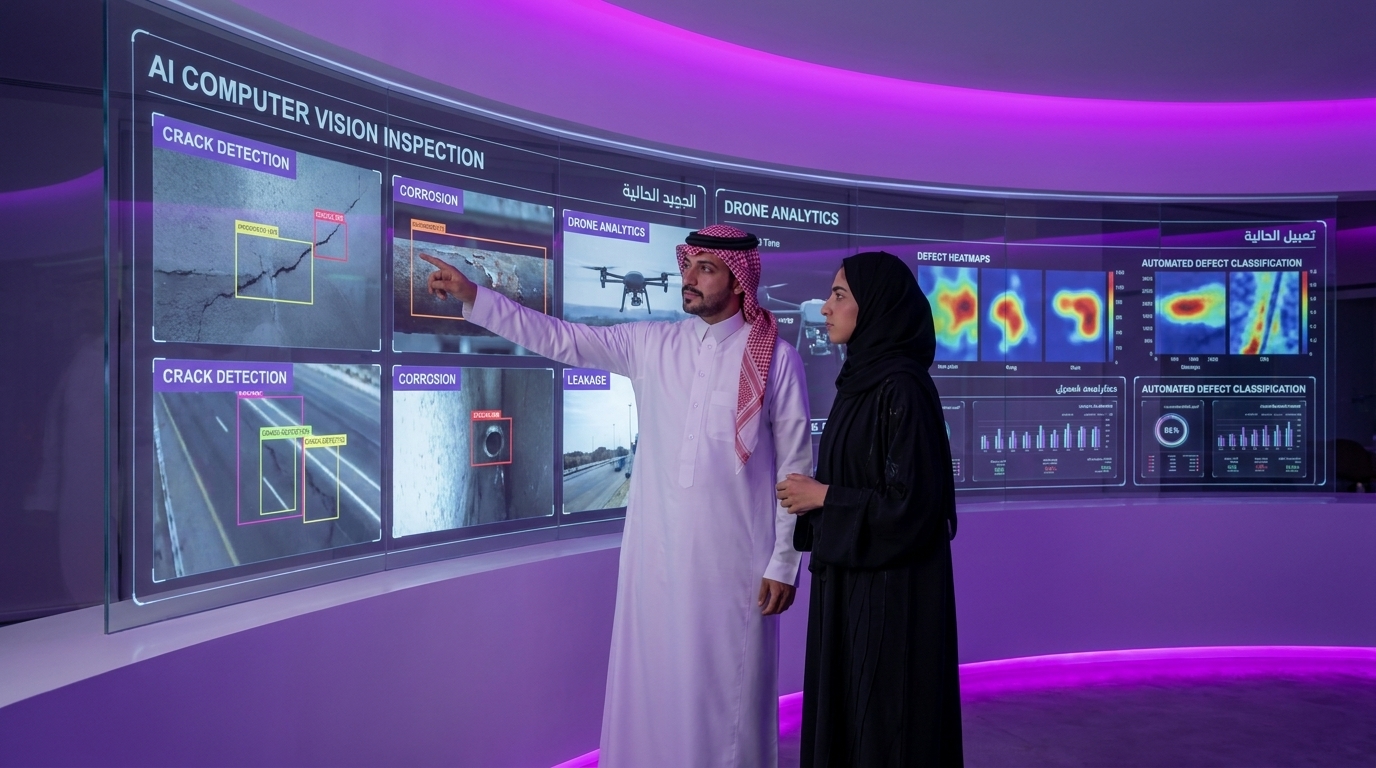
    A visual intelligence implementation across the existing camera estate for safety and access conditions.

  2. 02

    A remote inspection capability for asset condition, contractor verification and corrective-action closure.

  3. 03

    A compliance operation that converts standards into owned controls, with evidence captured as work is performed.

  4. 04

    A service and case layer for contractor, permit and incident management.

Sector pressures

Distance, contractors and the burden of proof

The standard is clear. Demonstrating adherence across sites and contractors is the work.

Sites are geographically distant, and a specialist inspector spends more of the week travelling than assessing. That is tolerable until inspection volumes rise or the specialist population declines, at which point the backlog becomes a compliance exposure rather than a scheduling issue.

Contractors compound the issue. Where a significant share of site activity is performed by companies that the operator does not employ, adherence must be evidenced rather than assumed, and the evidence must remain available after the contract has ended.

What changes

What the operation can state afterwards

  1. 01

    Which safety and access conditions were detected, where, and what action followed.

  2. 02

    Which inspections were completed remotely and which required attendance, with the reason.

  3. 03

    Whether corrective actions were closed with evidence or closed by assertion.

  4. 04

    Which sites and contractors account for recurring findings.

  5. 05

    What the compliance position is between assessments, not only at them.

Portfolio

The full portfolio applied in energy

Solutions, services and platforms that X-Shift applies across energy, oil and gas operations.

Working as oneEnergy & Oil & Gas connects Solutions, Services and Platforms.

Common questions

What energy operators ask first

Does the video leave the site?

Not in the standard deployment. Inference runs on an edge device within the operator's own network, and what is transmitted upstream is the event, its confidence level and a snapshot or short clip as evidence. For most operators with data residency or security constraints, this is the determining factor and should be established early.

Can detection be applied to conditions for which the operator has no existing model?

Typically, as a defined work package: the use case is specified, samples are collected and labelled, a model is configured or tuned, and it is validated against actual site conditions before go-live. It is neither a simple switch nor a research project.

At what point does visual detection cease to be appropriate?

Where the condition is concealed, where measurement or testing is required, or where the consequence of a false negative is severe enough that only attendance is acceptable. Those cases remain physical, and stating this during design is more valuable than discovering it after deployment.

How does this fit with the operator's existing HSE process?

Beneath it. Detection raises a validated event; the operator's process determines the action taken. X-Shift is accountable for the event being accurate, evidenced and delivered to the appropriate person, not for the safety decision that follows.

Next

Where to take this next

01

Commence with one condition on one site

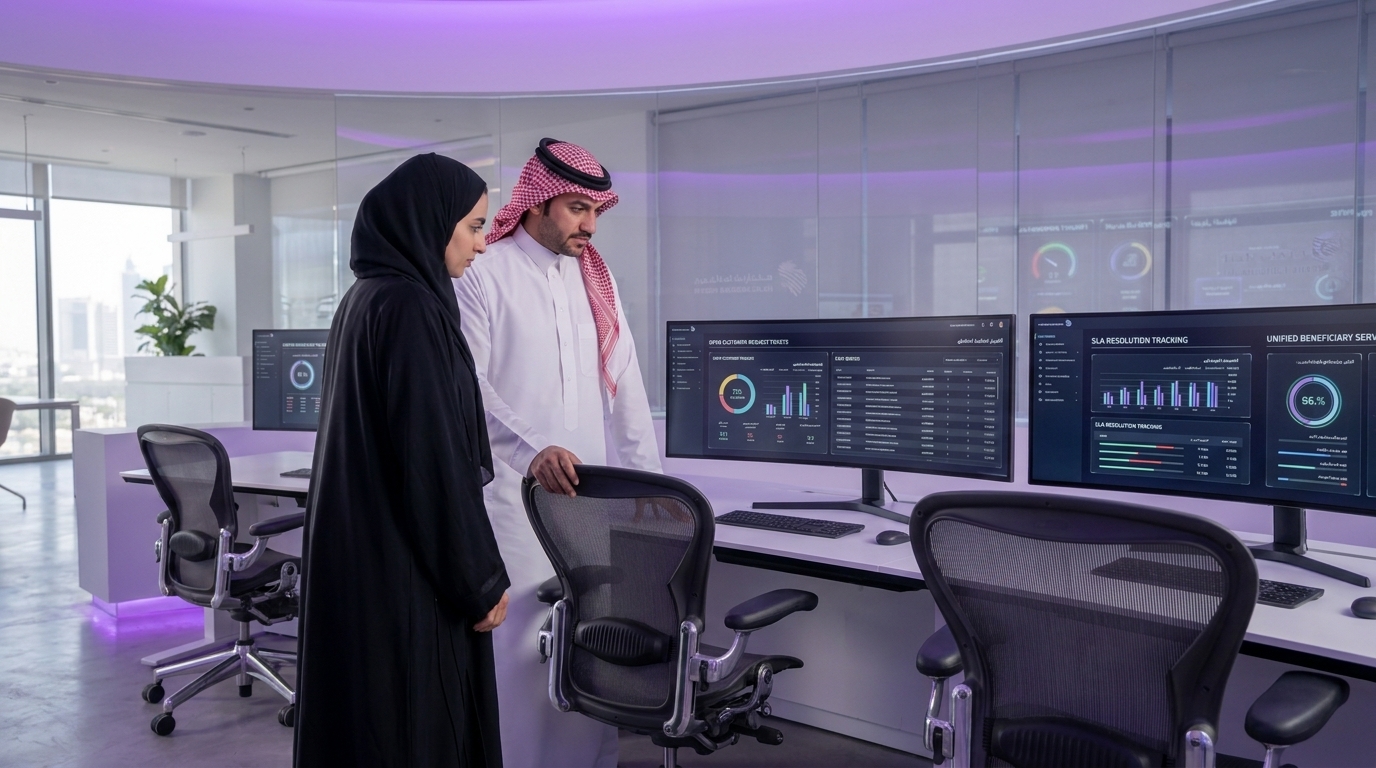
Select a single detection with a clear operational consequence, operate it against the existing cameras on one site, and measure false alerts and response times before extending it.

Applicable where a camera estate exists and is not being utilised.

Smart Inspection & Computer Vision
02

Commence with the inspection backlog

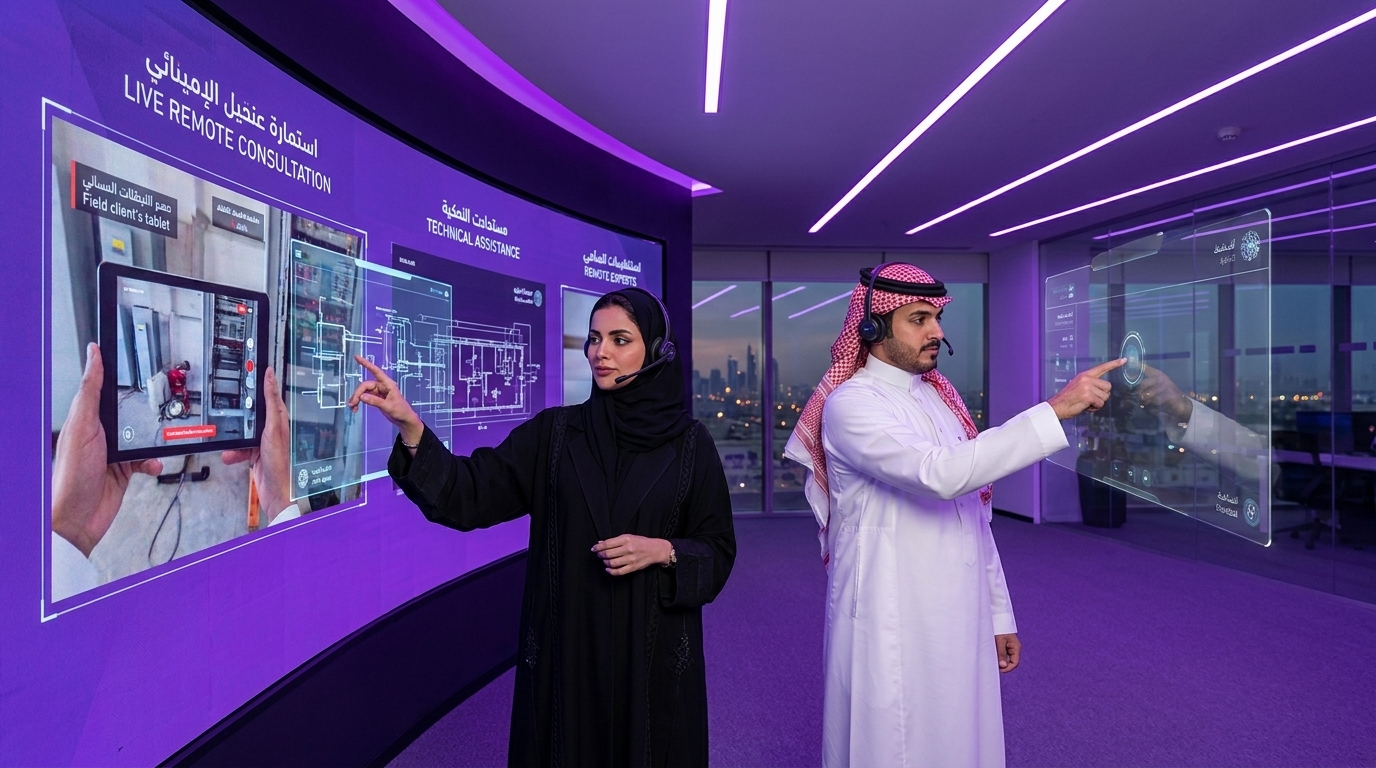
Select one inspection type where assessment is visual, conduct it remotely against defined criteria, and compare cycle time and evidence quality with the on-site route.

Applicable where specialist travel constrains inspection volume.

Virtual Visit & Remote Assistance

Commence with the constraint, not the catalogue.

X-Shift establishes whether the constraint resides in strategy, process, technology or operating model, and what is required to resolve it.