

Industry

Everything remains stable until it does not, and then everyone makes contact at once

Transport operations have a demand profile that no other sector shares: long periods of manageable volume, punctuated by disruption events in which contact multiplies within minutes and every passenger submits a variant of the same enquiry. The operation is assessed almost entirely on those hours.

Sector
Aviation, Transport & Mobility
Portfolio
Curated for this sector, not limited to it

What we do here

What X-Shift does inside a transport operator

X-Shift's work with airports, airlines, rail and mobility operators concentrates on the passenger service layer and the terminal environment: what can be answered without human involvement, what must be escalated, and what is occurring within the facility.

X-Shift does not operate aircraft, terminals or networks, and retains no safety or security accountability. X-Shift is accountable for the service platforms, the visual layer over the existing camera estate and the integration with operational systems.

  1. 01

    A demand assessment separating steady-state contact from disruption contact and quantifying both.

  2. 02

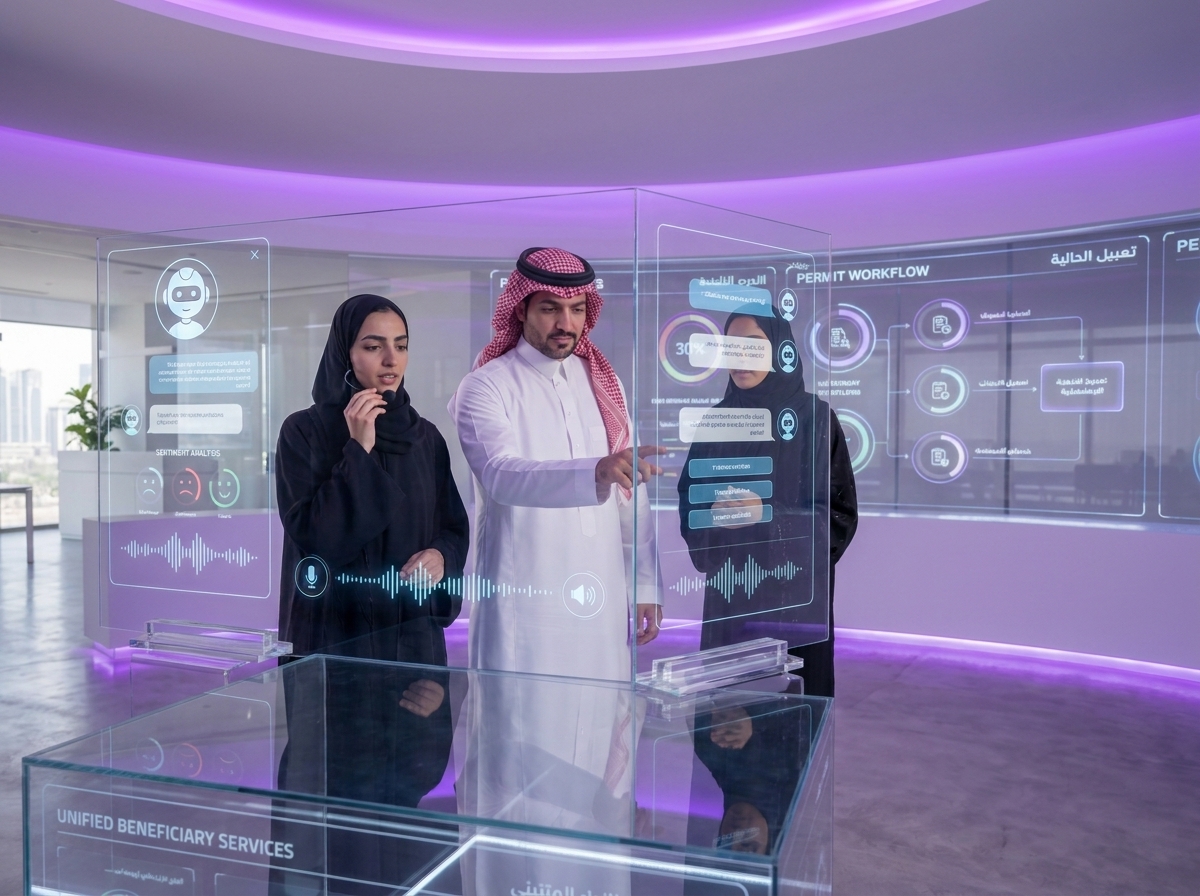
    An agentic service implementation that absorbs status, schedule and policy enquiries in Arabic and English.

  3. 03

    A case layer for complaints, baggage, refunds and accessibility requests, with assigned owners and service levels.

  4. 04

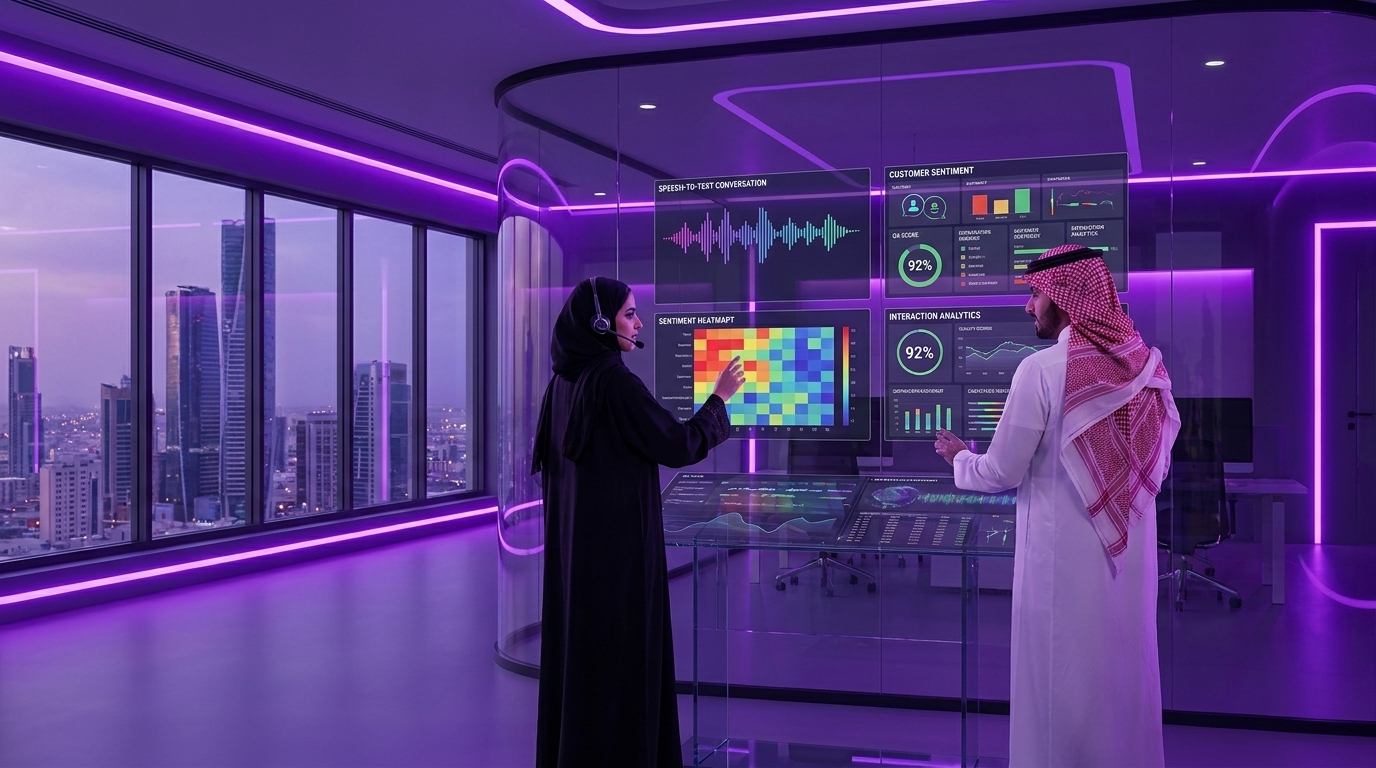
    A visual intelligence implementation for terminal flow, queue conditions and restricted-area access.

Sector pressures

A demand curve that cannot be resourced

The volume is not high on average. It is unmanageable on the day.

  1. 01

    Resourcing a transport contact operation for disruption is uneconomic; resourcing it for the average guarantees failure on the days that matter. The only structural response is a layer that scales without additional headcount for recurring enquiries, reserving personnel for passengers who require judgement (missed connections, accessibility needs and distress).

  2. 02

    The second pressure is that the terminal is a physical operation being managed through reports. Queue conditions, crowding and access issues are typically identified late, and by then the passenger experience has already occurred.

What changes

What the operation can state afterwards

  1. 01

    What passengers enquired about during disruption, and what share was completed without human involvement.

  2. 02

    Where queues developed, when, and what action was taken.

  3. 03

    Whether baggage, refund and accessibility cases were closed within their regulatory obligations.

  4. 04

    Which terminal conditions recurred and at what times.

  5. 05

    What the service position was on the worst day, with evidence.

Portfolio

The full portfolio applied in transport

Solutions, services and platforms that X-Shift applies with airports, airlines, rail and mobility operators.

Working as oneAviation, Transport & Mobility connects Solutions, Services and Platforms.

Common questions

What transport operators ask first

Can automated service manage a disruption event?

For repeating enquiries, yes, and that is where the volume resides. What it must do well is recognise its own boundary: a passenger with a missed connection, an accessibility requirement or distress should reach a person promptly rather than be held in a loop. Designing that handover constitutes a greater share of the work than designing the answers.

Is passenger-facing camera analytics permissible in this sector?

This depends entirely on what is detected and how it is governed, and the position should be documented before implementation. Detection of conditions (queue length, crowding, unattended items and restricted-area entry) is a different proposition from detection of individuals, and the scope, retention and access rules are defined with the client's privacy and security functions rather than assumed.

Does the video leave our network?

Not in the standard implementation. Inference runs on an edge device within the client's own environment; what is transmitted upstream is the event, its confidence level and a snapshot or clip as evidence.

How does this fit with our existing operational systems?

Through integration. Flight or service status, passenger records and baggage systems remain in place; the service layer reads from them and writes back using the permissions granted by the client.

Next

Recommended next steps

01

Commence with the disruption queue

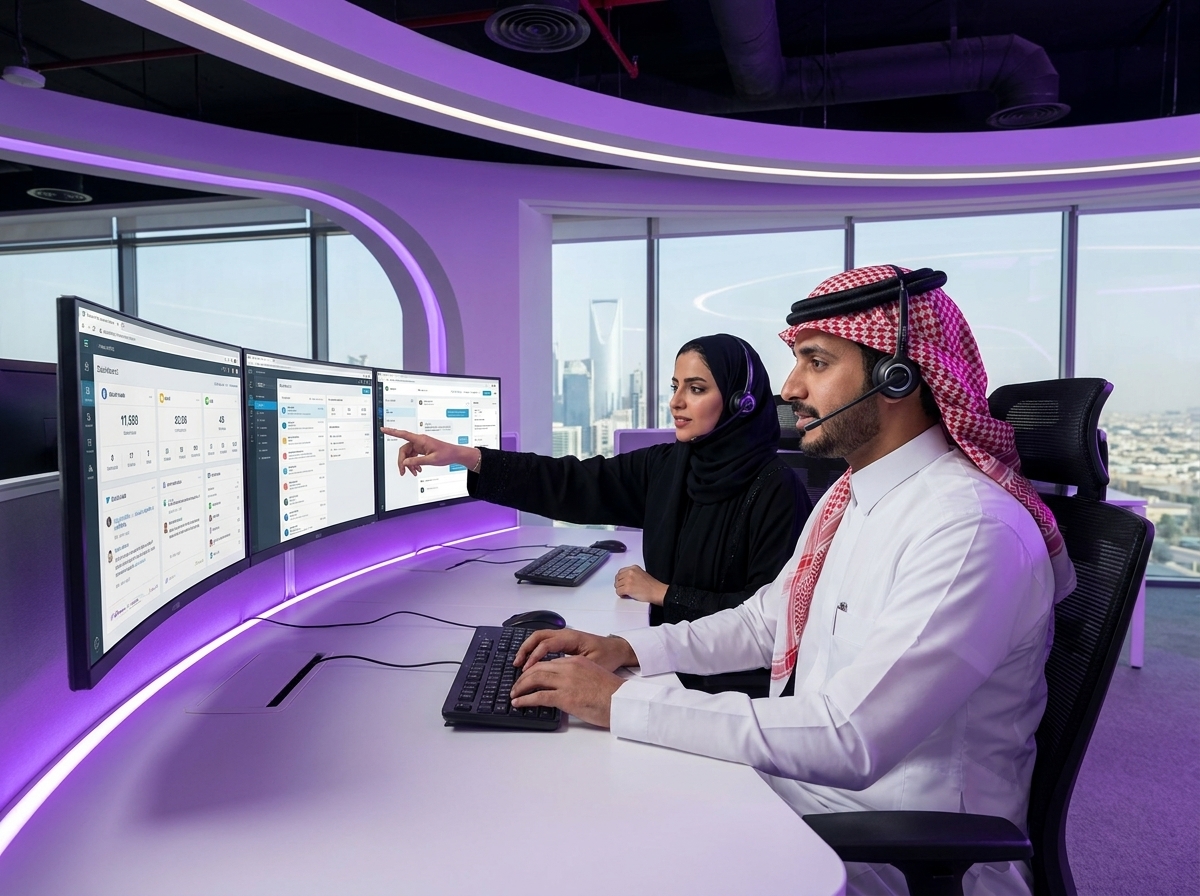
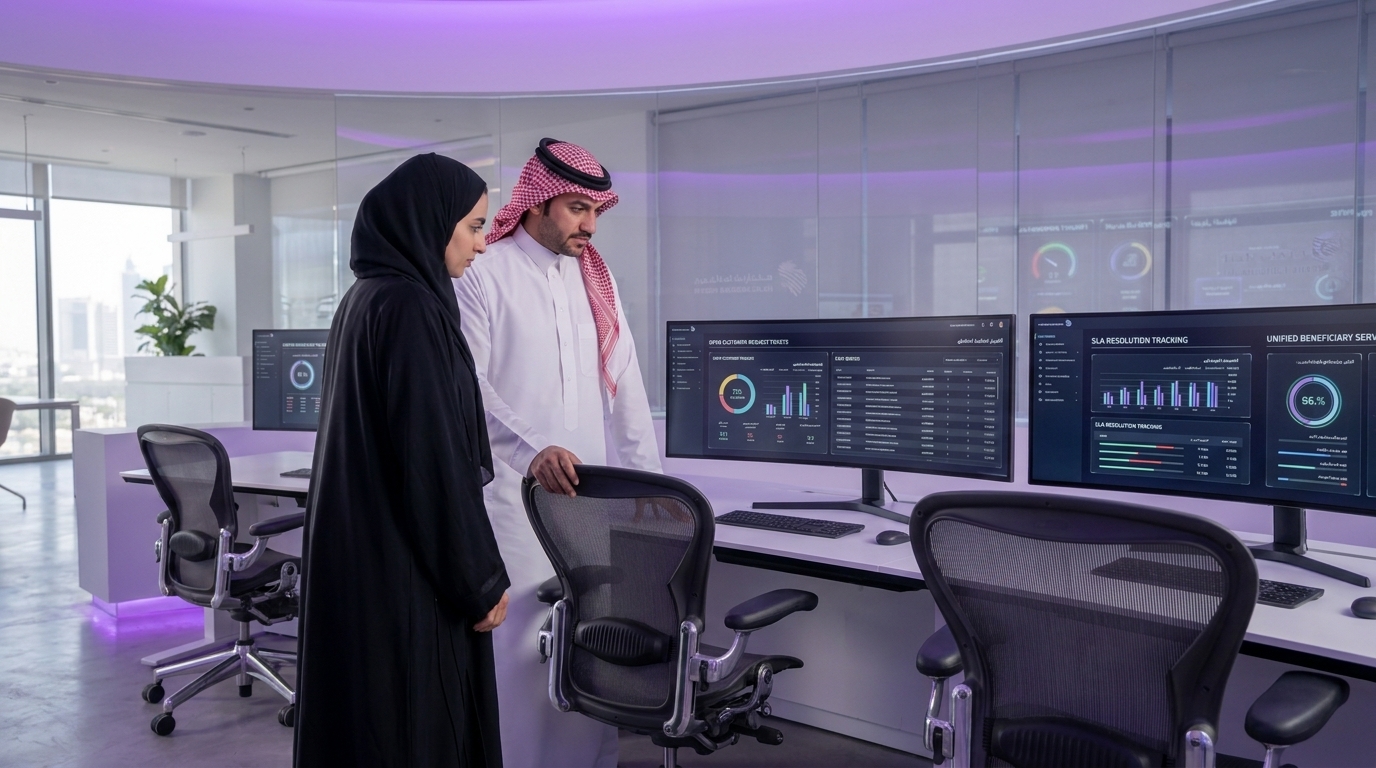
Model what occurred to contact volume on the most disrupted recent day, then implement automated handling for the enquiries that recurred and measure containment against it.

Applicable where normal-day service is acceptable and disruption-day service is not.

AI-Powered Customer Service
02

Commence with one terminal condition

Apply detection to a single, well-defined condition over existing cameras in one zone, measure false alerts and response times, and extend on the basis of that evidence.

Applicable where terminal conditions are identified after the fact rather than during.

Smart Inspection & Computer Vision

Priority services

The professional services that typically accompany it

Delivered by the same team

Advisory, design and integration are delivered by the professionals who operate the result.

Nothing here is sector-exclusive

Explore the full X-Shift portfolio

This page presents the offerings most relevant to aviation, transport and mobility operations. It does not represent the full extent of what X-Shift delivers in this sector.

Commence with the constraint, not the catalogue.

X-Shift establishes whether the constraint resides in strategy, process, technology or operating model, and what is required to resolve it.