

Industry

Most contact concerns a shipment that did not proceed as planned

Logistics contact volume is dominated by two categories: customers requesting shipment status, and exceptions for which no owner is assigned. The first can be answered without human involvement. The second requires a case, a service clock and a named owner; in most operations, it is instead managed through an email thread.

Sector
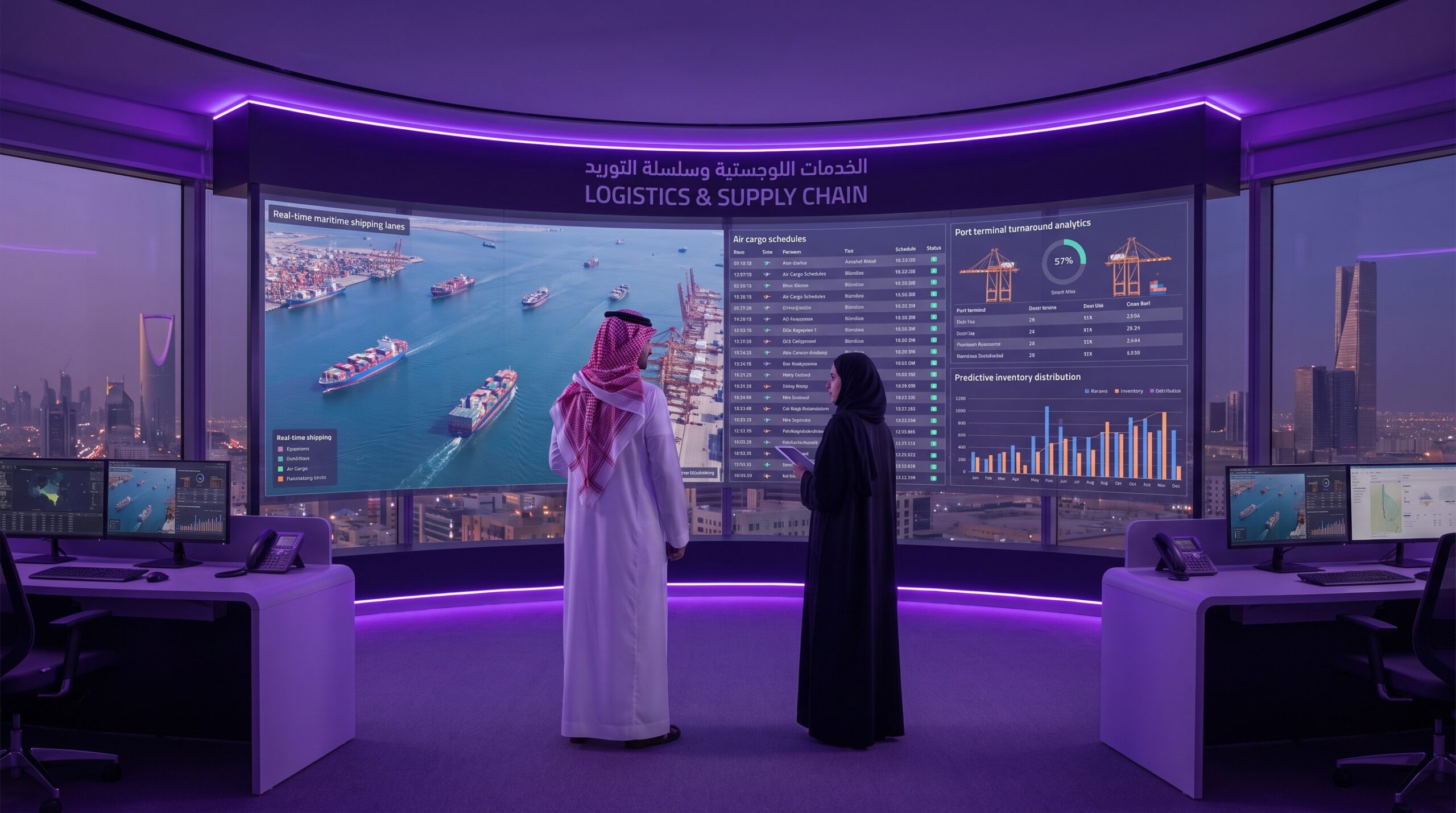
Logistics & Supply Chain
Portfolio
Curated for this sector, not limited to it

What we do here

What X-Shift does inside a logistics operation

Two workstreams, typically in this order. First, eliminate status volume from the human queue, because it is high, repetitive and answerable from the systems already in place. Second, establish a governed case around the remaining exceptions, because these are where cost and reputational exposure reside.

X-Shift does not transport freight, operate warehouses or replace the transport management system (TMS). X-Shift is accountable for the service layer, the exception case, the condition-verification capability and the integration between them.

  1. 01

    A contact assessment that separates status volume from exception volume and quantifies both.

  2. 02

    An agentic service implementation that responds to tracking, booking and documentation enquiries across channels in Arabic and English.

  3. 03

    An exception case implementation with owners, service levels and closure evidence.

  4. 04

    A remote verification capability for condition, damage and delivery disputes.

Sector pressures

Volume is seasonal; exceptions are not

The peak is resourced for. The exception backlog accumulates throughout the year.

Logistics operations plan for volume and are generally proficient at doing so. They plan less effectively for the exception tail (shipments that stalled, deliveries that were disputed and documentation that was incorrect), because each case is individually minor and collectively costly.

The second pressure is that the customer's view spans parties that the operator does not control. A freight forwarder, a last-mile carrier and a warehouse each hold part of the information, and the customer experiences the gaps between them as a failure of the operator.

What changes

What the operation can state afterwards

  1. 01

    What share of contact concerned status, and what share of that was completed without human involvement.

  2. 02

    The time required to close exceptions, by type, lane and carrier.

  3. 03

    Which exceptions recur, and where in the chain they originate.

  4. 04

    What evidence exists behind each damage or delivery dispute.

  5. 05

    Which customers absorb disproportionate service effort, and why.

Portfolio

The full portfolio applied in logistics

Solutions, services and platforms that X-Shift applies with logistics operators, forwarders and distribution businesses.

Working as oneLogistics & Supply Chain connects Solutions, Services and Platforms.

Common questions

What logistics operators ask first

Can AI answer tracking questions accurately?

Only as accurately as the system from which it reads. Where the tracking system holds a current and correct status, the answer is reliable and immediate. Where the status is outdated or ambiguous, an automated answer exposes this faster than a person would, which is uncomfortable but typically valuable. This should be established before implementation rather than after.

We operate in Arabic and English, including dialect. Is this supported reliably?

Arabic handling, including dialect, is a designed capability rather than a translation layer, and it is validated against the client's own recordings and transcripts during configuration. Where performance is insufficient for a particular intent, that intent is routed to a person.

Our carriers are third parties. How is exception management conducted across them?

The case belongs to the operator; the carrier is a participant. The case retains the service clock, the ownership and the evidence in one place, so that a carrier delay is visible as a delay rather than as a gap in the operator's own record.

Does this replace our TMS?

No. It operates above it. The TMS remains the operational system of record, and the service layer reads from and writes to it through integration.

Next

Recommended next steps

01

Commence with the status queue

Quantify the proportion of contact volume that concerns tracking and status, then implement automated handling for it on one channel and measure containment objectively.

Applicable where the queue is dominated by enquiries that existing systems can already answer.

AI-Powered Customer Service


02

Commence with the exception tail

Establish one exception type as a governed case with an owner and a service clock, and review the closure and recurrence data before extending it.

Applicable where delays and damage are managed in email threads that have no owner.

Customer Service & Case Management

Nothing here is sector-exclusive

Explore the full X-Shift portfolio

This page presents the offerings most relevant to logistics and supply chain operations. It does not represent the full extent of what X-Shift delivers in this sector.

Commence with the constraint, not the catalogue.

X-Shift establishes whether the constraint resides in strategy, process, technology or operating model, and what is required to resolve it.