Industry

Admissions peaks expose every gap in student service

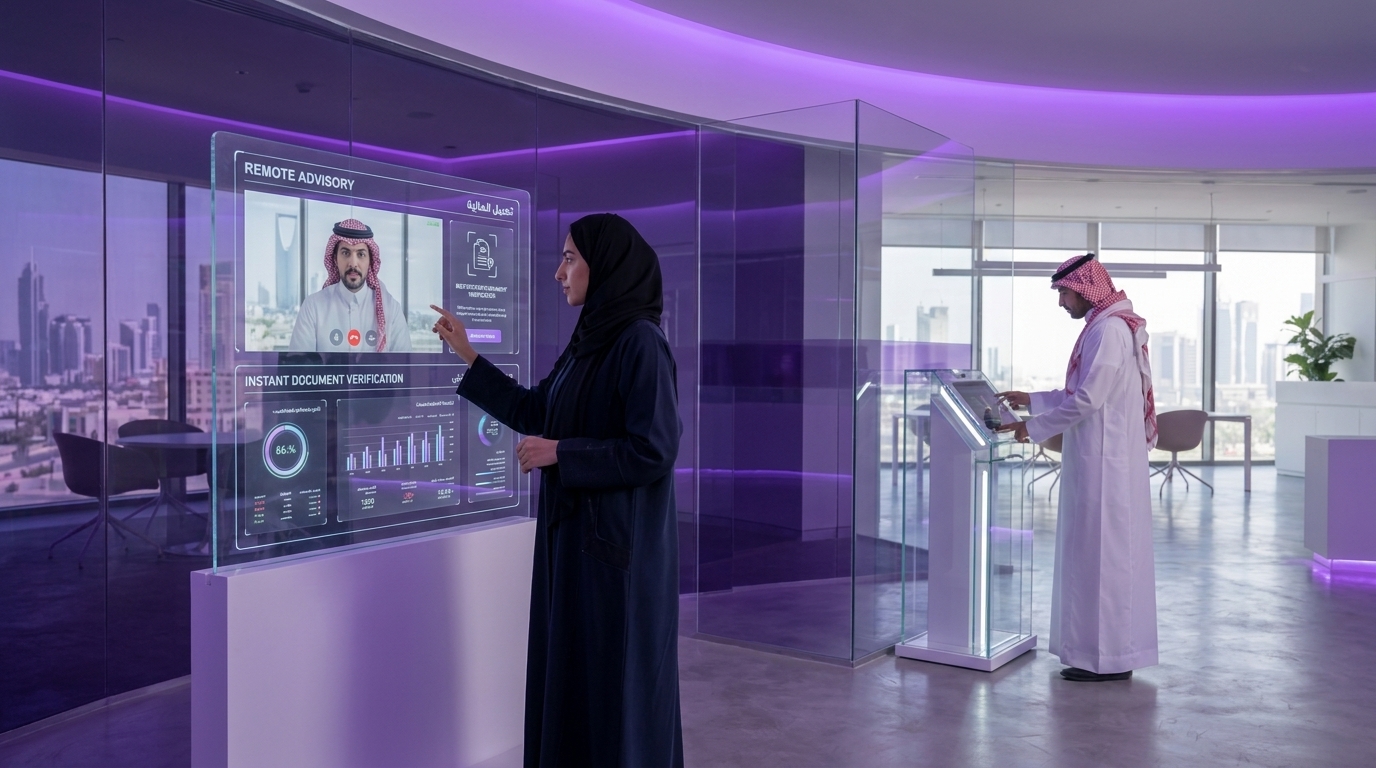
Educational institutions manage demand that concentrates into a few weeks each year, then extends into a long tail of registration, financial, academic and graduation enquiries. Applicants and students expect responses at the speed of any other digital service, and public institutions are additionally measured against national beneficiary experience standards. X-Shift implements the self-service, case handling and service channels that are sustained through the peak and remain consistent after it.

Sector
Education
Portfolio
Curated for this sector, not limited to it

What we do here

What X-Shift does inside an institution

X-Shift implements the self-service, case handling and service channels that are sustained through the admissions peak and remain consistent afterwards. Engagements in this sector typically take one of several forms.

Policy documents are typically the starting material and the principal difficulty: they are the source of truth but are unusable as a service answer. Much of the early work is converting them into content on which applicants, students and staff can act without interpretation.

  • A knowledge programme that publishes admission requirements, fees, deadlines and academic policy once in Arabic and English, so that every channel provides identical answers.

  • An AI and self-service deployment covering eligibility, document, deadline and status questions through the application window.

  • A case implementation that tracks student and applicant requests across academic, financial and registration teams.

  • A service operation sized for the academic calendar rather than for an average month.

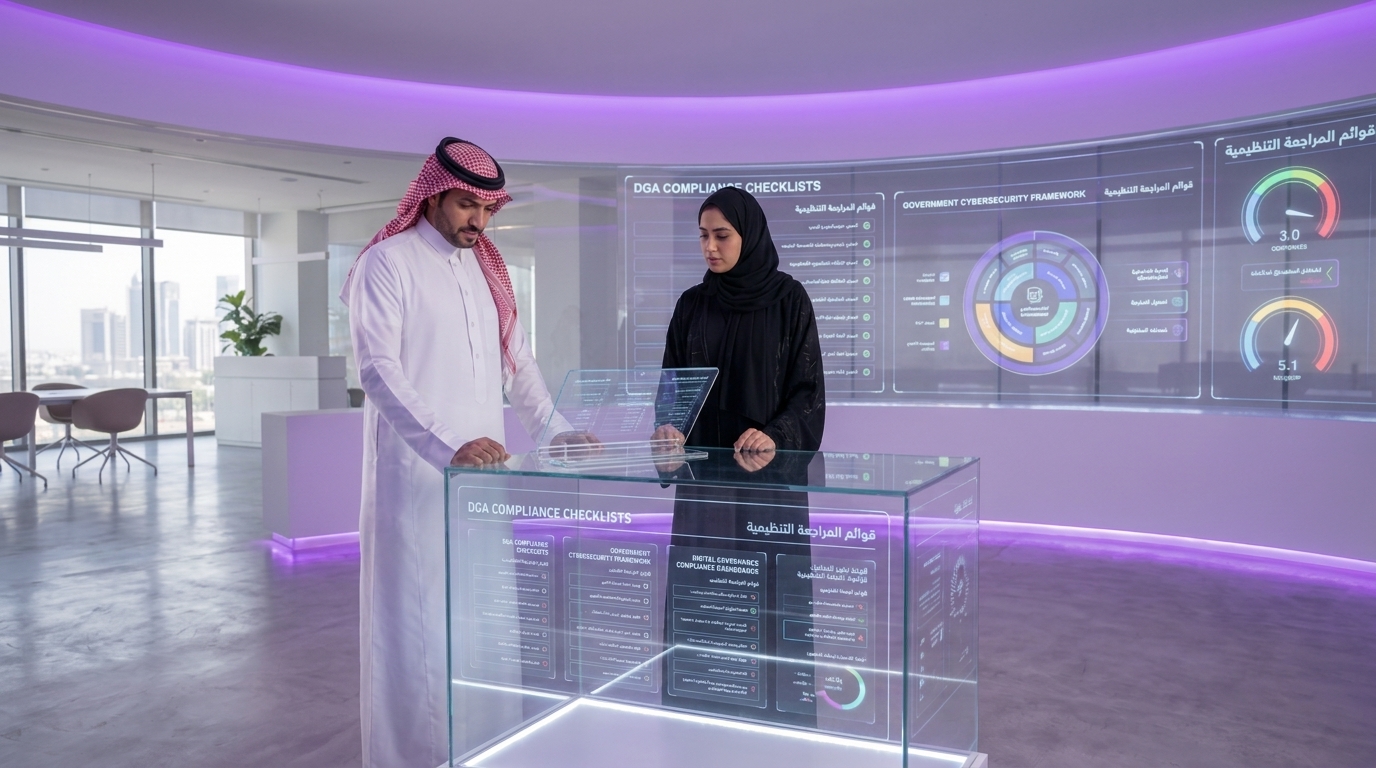
  • For public institutions, a compliance readiness engagement that maintains beneficiary experience and digital standards evidence between assessment cycles.

Sector pressures

A year of service demand arrives in three weeks

Admissions season is not a busy period; it is a different operating model.

During application and registration windows, an institution receives more enquiries than it manages during the remainder of the year, and resources them with personnel seconded from other departments who have no consistent source of answers. Applicants ask the same questions about eligibility, documents, fees and deadlines, and each incorrect answer generates rework and complaints. Outside the peak, student requests are distributed across academic affairs, finance, housing and registration with no shared case record, so students must pursue each department individually. Public institutions also report against beneficiary experience standards, which means that service performance must be evidenced rather than asserted.


  • Application-window demand exceeds the service capacity available during the remainder of the year

  • Eligibility, fee and document questions are answered differently by each department

  • Student requests cross academic, finance and registration teams without a shared case record

  • Policy and procedure documents are the source of truth but are not usable as service answers

  • Public institutions must evidence beneficiary experience performance rather than describe it

Typical applications

How the portfolio is typically applied by an institution

These are illustrative applications of the X-Shift portfolio in education. They describe what the capability supports and are not claims about specific institutions.

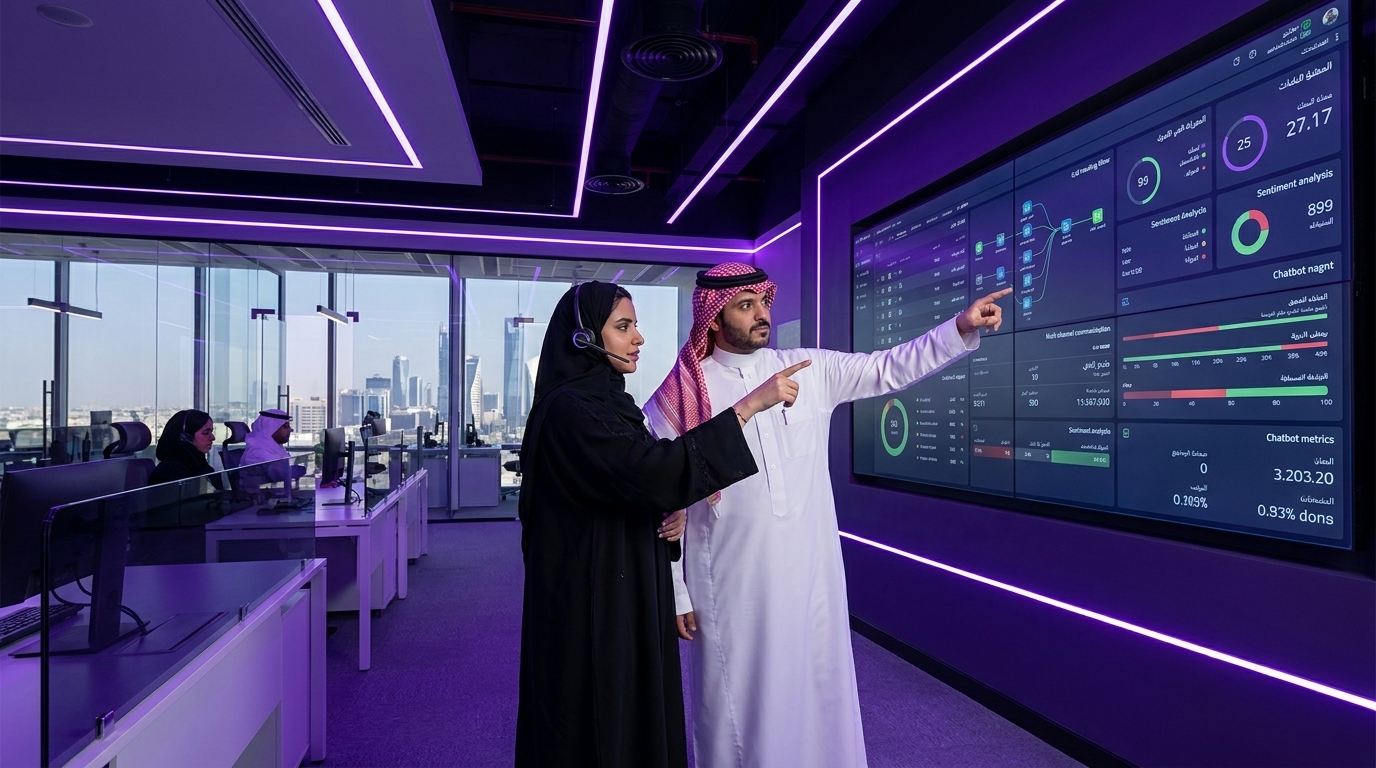
  • Admissions enquiries answered by AI agents in Arabic through the application window, day and night

  • One published knowledge base serving applicants, call handlers and campus service counters

  • A student financial appeal tracked as one case across finance and academic affairs

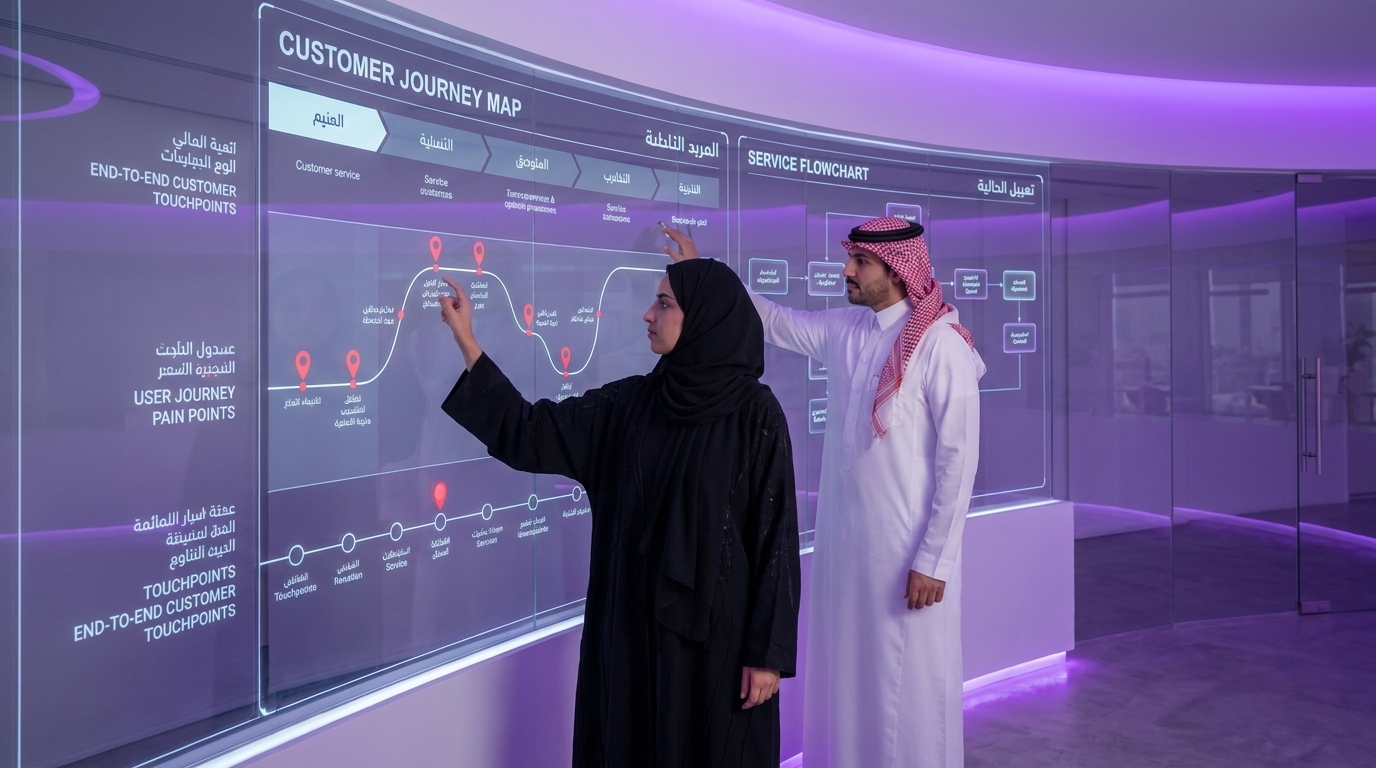
  • Applicant feedback linked to the specific admission stage at which the experience deteriorated

  • Repeat-contact analysis identifying which registration rules applicants most frequently misinterpret

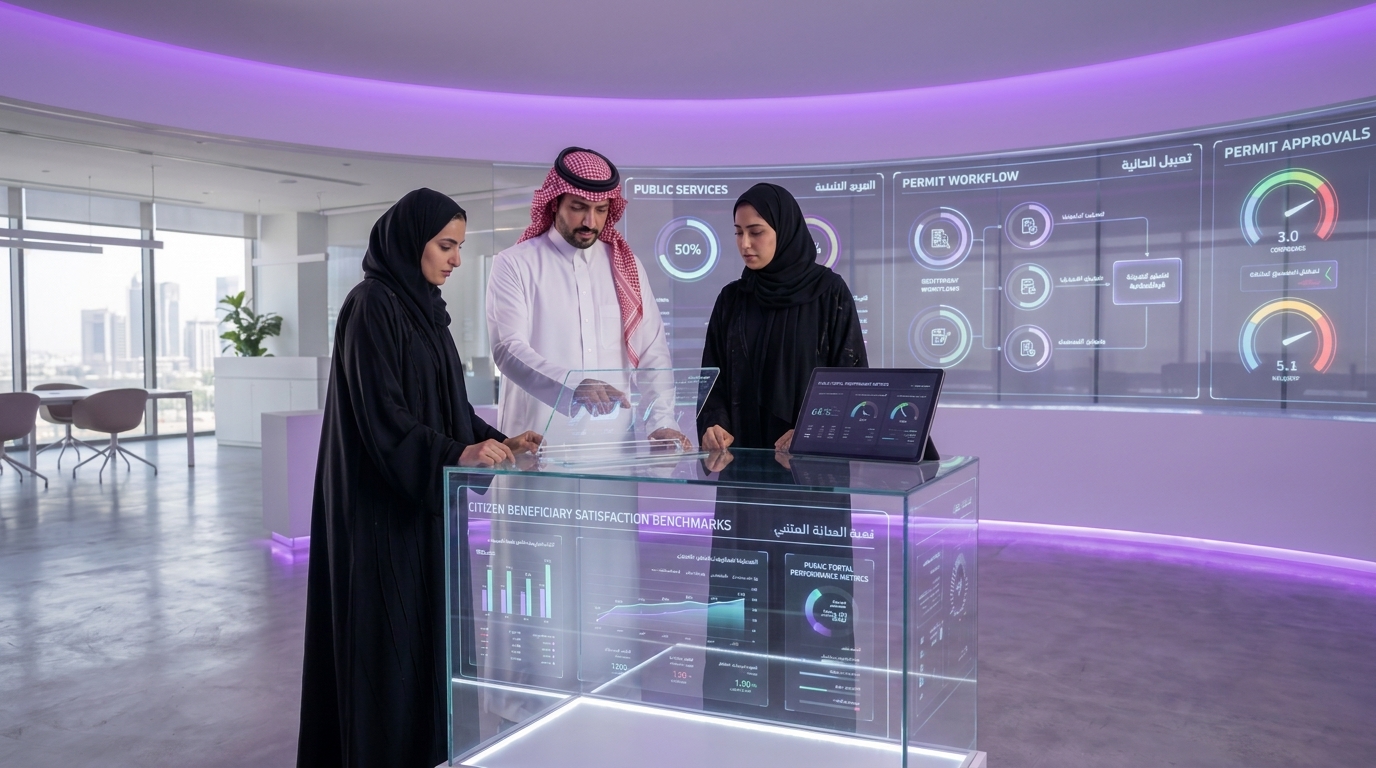
  • Beneficiary experience evidence maintained continuously rather than assembled before each institutional assessment cycle

  • Seasonal service capacity added for the admissions peak without permanent headcount

Portfolio

The full portfolio applied in education

Solutions, services and platforms that X-Shift applies with universities, colleges and education bodies, across admissions, student services and institutional reporting.

Working as oneEducation connects Solutions, Services and Platforms.

Public institutions carry an evidence obligation alongside the service obligation; private institutions typically commence and conclude with the peak.

Common questions

What institutions ask first

How does this differ for a public institution and a private one?

Public institutions are additionally measured against national beneficiary experience and digital standards, so evidence and reporting are part of the scope from the start and procurement follows a government route. Private institutions typically procure against the admissions peak and student service alone. The service design is similar; the reporting obligation and the contracting route differ.

Where is student and applicant data hosted?

In-Kingdom, on institution infrastructure or in a deployment approved by the institution, with classification and retention agreed before design commences. Integration with student information systems is built to read the state that a request requires rather than to copy records into the service layer.

Can capacity be added for the admissions window without a permanent cost commitment?

Yes, through automated handling sized on consumption, and through a managed operation that absorbs an agreed seasonal surge. The requirement is a forecast in which the institution has confidence, which is more achievable in education than in most sectors because the calendar is known in advance.

Next

Where to take this next

01

Commence before the next intake

Establish what applicants ask during the window, which answers exist, and which of them are consistent across departments, with sufficient lead time to publish and test before the peak.

Applicable where every admissions season is resourced by seconded personnel working from differing answers.

Consult X-Shift
02

Commence with the evidence obligation

For public institutions, a readiness review that establishes the current position against beneficiary experience and digital standards, and who owns each gap.

Applicable where assessment evidence is reconstructed from scratch in each cycle.

Digital Compliance & Maturity

Education work is governed by the academic calendar. An engagement that cannot be operational before a window should target the following window rather than commence midway through it.

Nothing here is sector-exclusive

Explore the full X-Shift portfolio

This page presents the offerings most relevant to education. It does not represent the full extent of what X-Shift delivers in this sector.

Commence with the constraint, not the catalogue.

X-Shift establishes whether the constraint resides in strategy, process, technology or operating model, and what is required to resolve it.