
Industry

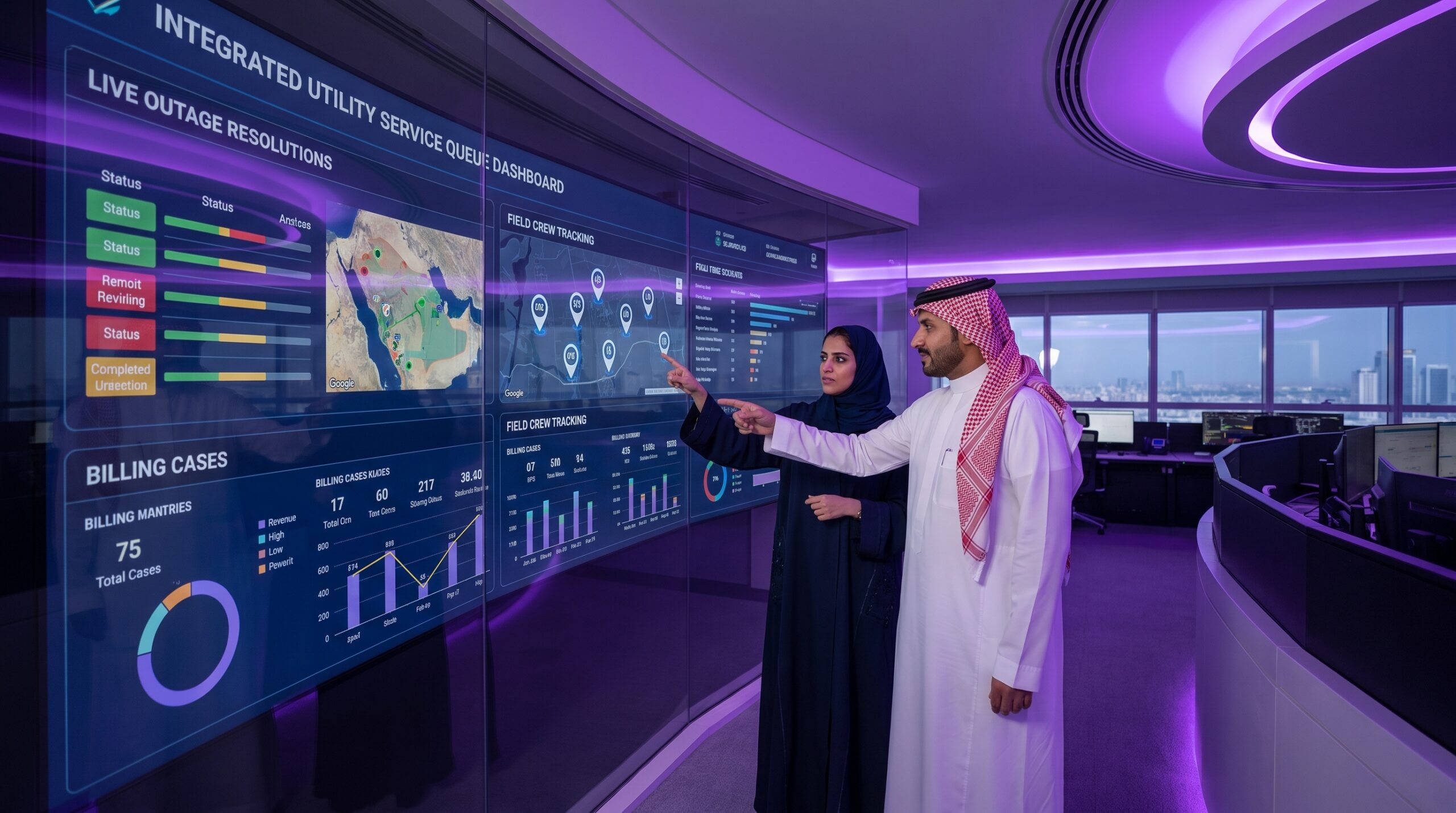
Billing queries, outages and field work converge in the same service queue

Utilities serve an entire population with a service that attracts attention only when it fails or a bill appears incorrect. Demand is driven by billing cycles, weather, network events and connection projects, and the customer rarely distinguishes between the commercial and technical functions of the organisation. X-Shift operates on the service layer that spans them: the channels, the case record, and the reporting that identifies where demand is generated.

Sector
Utilities
Portfolio
Curated for this sector, not limited to it

What we do here

What X-Shift does for a utility

X-Shift operates on the service layer that spans the commercial and technical functions of a utility. Engagements in this sector typically take one of several forms.

The recurring problem in this sector is not the conversation but the resolution behind it, which is owned by another function. Most of the value derives from making that handover visible and providing the customer with a status for which a named owner is accountable.

  • A case implementation that maintains outage reports, billing disputes and connection requests as a single record across commercial, metering and field teams, so that a status can be provided.

  • An AI and self-service deployment sized for billing-cycle and incident peaks.

  • A contact operation redesigned or operated as a managed service around demand driven by weather and network events.

  • Reporting designed to produce performance measures against published service standards from source data rather than manual assembly.

  • Computer vision over existing cameras, applicable where inspection coverage is limited by the number of personnel able to travel.

Sector pressures

Customer service is judged on work performed by the field organisation

The contact centre owns the conversation but not the resolution.

A customer who reports an outage, disputes a bill or requests a new connection initiates a process that is completed by metering, network or field teams working in different systems. The service organisation is measured on how that process concludes, without controlling most of it. Seasonal peaks and network incidents generate demand that cannot be resourced for, and the same customers repeatedly request a status that nobody is able to provide. Regulatory and national service standards add published expectations on response and resolution, so poor visibility is not only an experience issue but a reporting one.

  • Outage and billing spikes occur faster than the contact operation can be resourced

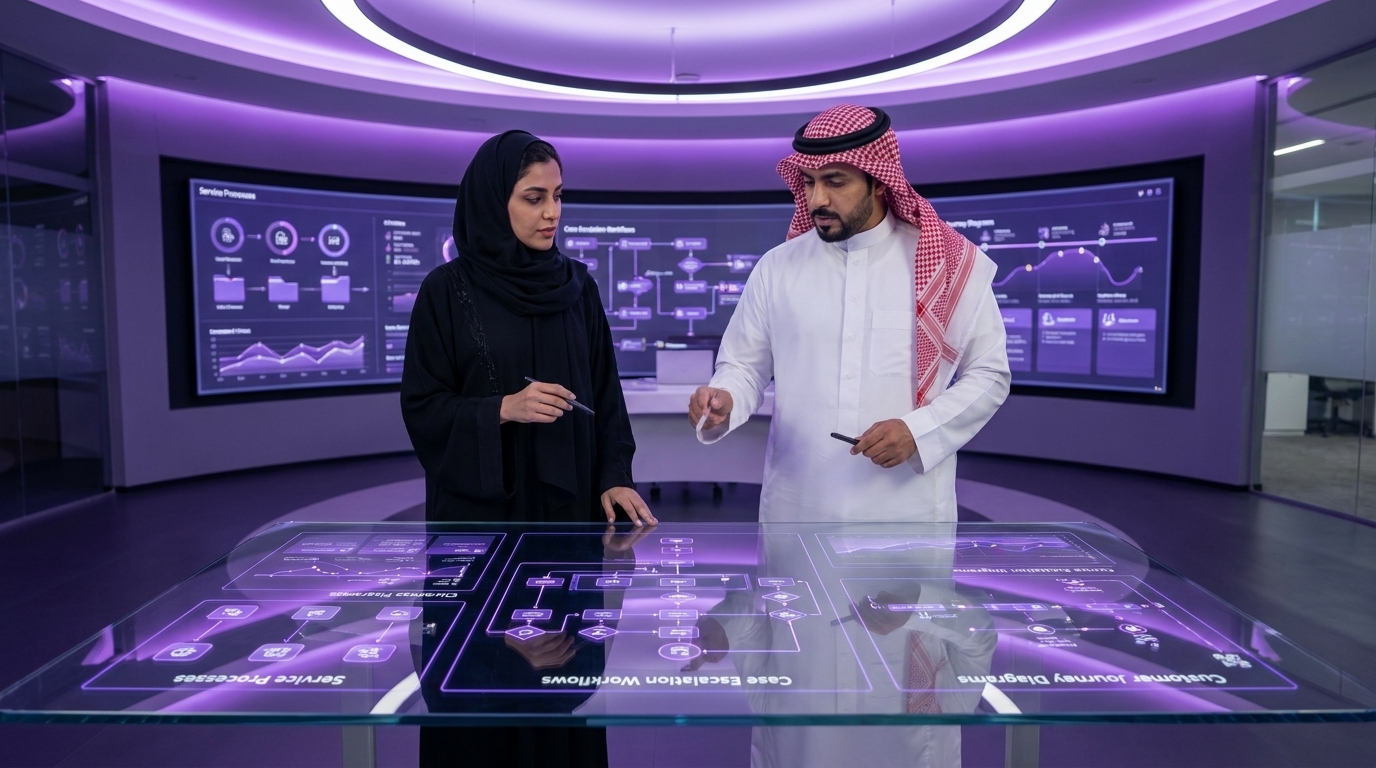
  • Connection and complaint cases span commercial, metering and field systems with no shared status

  • Customers make repeated contact for updates because no channel provides visibility of progress on their request

  • Field inspection and site condition checks are limited by how many inspectors can travel

  • Service performance against published standards is assembled manually from several systems

Typical applications

How the portfolio is typically applied by a utility

These are illustrative applications of the X-Shift portfolio in a utility setting. They describe the capability rather than naming specific engagements.

  • Outage status communicated by AI voice agents during an incident, without additional temporary staff

  • A new connection request tracked as one case across commercial, metering and field teams

  • Billing dispute handling standardised so that every channel communicates the same resolution timescale

  • Safety and access conditions at substations observed through existing cameras rather than site visits

  • Customer feedback linked to the specific field visit or bill that prompted it

  • Performance against published service standards reported from a single source rather than by manual assembly

  • Repeat-contact analysis identifying which parts of the bill customers most frequently query

Portfolio

The full portfolio applied in utilities

Solutions, services and platforms that X-Shift applies with utilities, across the customer-facing and field-facing functions of the same organisation.

Working as oneUtilities connects Solutions, Services and Platforms.

Status visibility typically reduces contact volume more than any other single change, so most programmes in this sector commence with the case record.

Common questions

What utilities ask first

How is this procured, and does it fit a regulated reporting obligation?

Engagements are contracted through the utility's own procurement route, including tender, and X-Shift also operates as a subcontractor behind a prime contractor. Where performance against published service standards must be reported, the reporting is built from source data with definitions and exclusions documented, so that the figures can be defended rather than reassembled each period.

Where is customer data hosted?

In-Kingdom, on utility infrastructure or in a deployment approved by the utility. Classification and retention are agreed before design commences. Where field systems hold their own customer data, integration is built to read the specific state that a case requires rather than to replicate records between systems.

Can this operate where resolution rests with field and metering teams?

That is the typical case, and it is the intent. The case record spans the handover, with ownership and a service level at each step, so that the contact centre is not held accountable for work that it cannot see. It does require the field and metering teams to adopt a shared record, which is an operating model decision rather than a technical one.

Next

Where to take this next

01

Commence with one case type

Select a new connection or a billing dispute and trace it across commercial, metering and field teams, recording where status is lost and where the customer is required to make contact again.

Applicable where customers repeatedly make contact for updates that cannot be provided.

Consult X-Shift

02

Commence with peak management

Size self-service and automated handling against actual billing-cycle and incident peaks, rather than average volume, before changing the operation around them.

Applicable where service levels are maintained throughout the year except at the moments of greatest importance.

Managed Customer & Digital Operations

A utility's service performance is largely determined by work that the service organisation does not perform. Any plan that stops at the contact centre is incomplete.

Nothing here is sector-exclusive

Explore the full X-Shift portfolio

This page presents the offerings most relevant to utilities. It does not represent the full extent of what X-Shift delivers in this sector.

Commence with the constraint, not the catalogue.

X-Shift establishes whether the constraint resides in strategy, process, technology or operating model, and what is required to resolve it.