
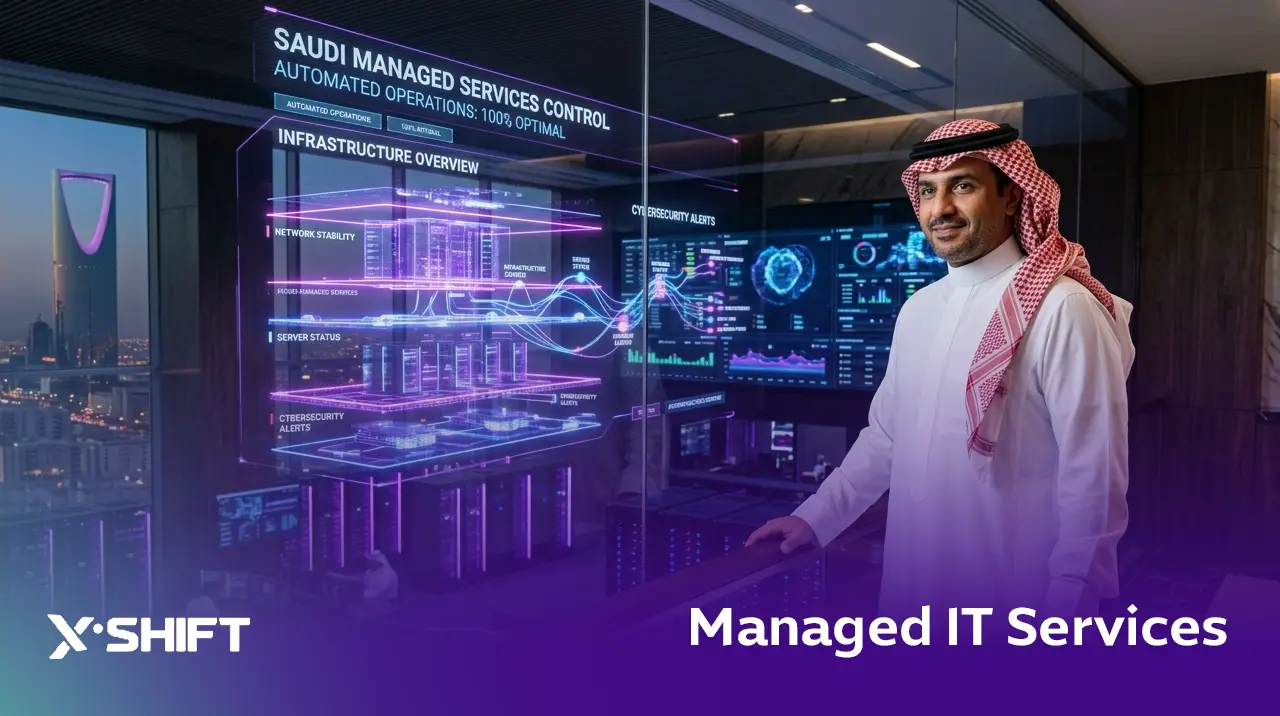
How Managed IT Services Scale and Secure Modern Enterprise Systems
Modern enterprises rely heavily on stable, scalable, and secure technology infrastructures to maintain operational continuity and support long term growth. As organizations continue expanding their digital ecosystems, the demand for Managed IT Services has increased significantly across industries. Businesses today require proactive infrastructure management, continuous monitoring, cybersecurity protection, and operational optimization to remain competitive in rapidly evolving markets.
A successful Managed IT Services strategy helps organizations reduce operational complexity, improve system reliability, and strengthen business agility. Instead of relying solely on reactive technical support, enterprises are increasingly adopting managed service models that provide continuous infrastructure oversight and strategic technology management. With advanced enterprise solutions from x-shift, organizations can modernize operational environments and build scalable support ecosystems that improve efficiency, resilience, and customer experience.
The Importance of Managed IT Services
Organizations operating in highly digital business environments cannot afford prolonged downtime, cybersecurity vulnerabilities, or inefficient infrastructures. Managed IT Services provide enterprises with proactive operational support that helps maintain business continuity and improve overall technology performance.
Improving Operational Stability
Modern businesses depend on interconnected digital systems that must operate continuously without disruption. Organizations investing in Managed IT Services can improve operational stability through proactive monitoring, infrastructure maintenance, and real time issue resolution that minimize downtime and improve reliability.
Reducing Operational Complexity
Managing modern IT environments internally can become increasingly complex and resource intensive. Managed IT Services allow organizations to simplify infrastructure management by outsourcing technical operations to specialized experts capable of maintaining performance and scalability efficiently.
Supporting Business Scalability
As organizations grow, their technology requirements become more advanced and demanding. Businesses implementing Managed IT Services can scale operational infrastructures more effectively while maintaining system performance, operational flexibility, and business continuity across departments and digital platforms.
Core Components of Managed IT Services
Modern managed service environments include a wide range of operational and technical functions designed to improve infrastructure reliability, security, and efficiency. Understanding these components helps organizations build stronger operational ecosystems.
Infrastructure Monitoring and Management
Continuous infrastructure monitoring helps organizations identify operational issues before they affect business performance. Businesses using Managed IT Services can improve system reliability through proactive performance tracking, predictive maintenance, and automated operational management strategies.
Technical Support and Help Desk Services
Professional support teams play a critical role in resolving technical issues and maintaining productivity across operational environments. Organizations investing in Managed IT Services can provide employees with faster issue resolution and more reliable technical assistance that supports daily business activities.
Cybersecurity and Compliance Management
Cybersecurity threats continue increasing in complexity and frequency across industries. Managed IT Services help organizations strengthen security frameworks, improve threat detection capabilities, and maintain compliance with industry regulations through continuous monitoring and proactive risk management.
How x-shift Enhances Managed IT Services
x-shift provides enterprise focused technologies and integrated support solutions designed to help organizations modernize infrastructure management and improve operational performance. Through intelligent systems and scalable support frameworks, x-shift enables businesses to optimize digital ecosystems effectively.
Agentic Artificial Intelligence
The Agentic Artificial Intelligence solutions offered by x-shift help organizations automate operational workflows, optimize support responsiveness, and improve issue resolution efficiency. These intelligent systems strengthen Managed IT Services by reducing delays and improving overall operational productivity.
Computer Vision
x-shift provides advanced Computer Vision technologies that improve infrastructure visibility and operational monitoring capabilities. These solutions support Managed IT Services by enabling organizations to analyze operational environments and improve data driven decision making across business operations.
Customer Experience Solutions
The Customer Experience Solutions developed by x-shift help enterprises improve customer engagement through integrated communication systems and intelligent operational workflows. These solutions contribute to stronger Managed IT Services environments by supporting efficient and responsive customer interactions.
Digital Transformation Services
x-shift offers comprehensive Digital Transformation Services that help organizations modernize infrastructures and improve operational agility. These services strengthen Managed IT Services strategies by enabling scalable technology integration and continuous operational innovation.
Managed Services
The Managed Services provided by x-shift deliver continuous operational monitoring, infrastructure optimization, and technical support. These services help organizations maintain secure and stable digital environments while focusing on strategic business growth and innovation.
Business Benefits of Managed IT Services
Organizations investing in professional support environments often experience measurable operational and financial improvements. Managed IT Services create long term business value by improving efficiency, reducing costs, and strengthening operational resilience.
Reduced Infrastructure Downtime
Operational interruptions caused by technical failures can significantly affect productivity and customer satisfaction. Businesses implementing Managed IT Services can reduce downtime through proactive issue detection, predictive maintenance, and rapid incident response frameworks.
Better Cost Management
Maintaining internal infrastructure teams and outdated systems can become financially challenging for enterprises. Managed IT Services help organizations optimize operational costs by providing scalable support environments and reducing the need for reactive technical repairs and emergency maintenance.
Improved Employee Productivity
Stable digital environments allow employees to work more efficiently without disruptions caused by technical issues or system failures. Organizations using Managed IT Services can improve workforce productivity by ensuring reliable access to applications, communication systems, and operational tools.
The Role of Managed IT Services in Digital Transformation
Digital transformation initiatives require modern infrastructures capable of supporting intelligent technologies, automation systems, and scalable operational ecosystems. Managed IT Services play a critical role in enabling successful digital transformation strategies across industries.
Supporting Cloud Integration
Cloud environments require continuous monitoring, optimization, and security management to maintain operational performance. Businesses implementing Managed IT Services can integrate cloud technologies more effectively while ensuring scalability and infrastructure reliability.
Enabling Intelligent Automation
Modern automation technologies depend on stable and flexible infrastructures capable of supporting advanced operational workflows. Managed IT Services help organizations maintain the operational environments required for artificial intelligence, analytics, and automation initiatives.
Strengthening Operational Agility
Organizations must respond quickly to evolving market demands and operational challenges. Businesses investing in Managed IT Services can improve agility by maintaining flexible infrastructures capable of adapting to changing business requirements efficiently.
Challenges Organizations Face Without Managed IT Services
Organizations lacking structured infrastructure management often experience operational inefficiencies, security risks, and scalability limitations. Understanding these challenges highlights the strategic importance of professional managed service environments.
Frequent Technical Disruptions
Without proactive monitoring and maintenance, businesses may experience recurring infrastructure failures and operational interruptions. Organizations operating without Managed IT Services often struggle with productivity losses and customer dissatisfaction caused by prolonged downtime.
Increased Cybersecurity Exposure
Outdated infrastructures and insufficient security monitoring increase vulnerability to cyber threats and operational risks. Businesses lacking Managed IT Services may face data breaches, compliance violations, and operational disruptions caused by inadequate protection strategies.
Higher Operational Costs
Reactive infrastructure management often results in higher maintenance expenses and inefficient resource allocation. Organizations implementing Managed IT Services can optimize operational spending while improving system reliability and long term business stability.
Best Practices for Implementing Managed IT Services
Successful managed service strategies require structured planning, operational alignment, and continuous optimization. Organizations following best practices are more likely to achieve sustainable operational improvements and stronger digital resilience.
Establish Clear Operational Goals
Organizations should define measurable operational objectives before implementing managed service strategies. A well structured Managed IT Services framework helps enterprises align technology investments with business priorities and long term growth objectives.
Prioritize Security and Compliance
Cybersecurity and regulatory compliance should remain central components of infrastructure management strategies. Businesses implementing Managed IT Services must establish continuous monitoring and risk management frameworks that protect operational systems and sensitive information.
Continuously Evaluate Infrastructure Performance
Managed environments require regular performance analysis and operational optimization to maintain efficiency and scalability. Organizations investing in Managed IT Services should continuously monitor system metrics, operational outcomes, and infrastructure performance.
The Future of Managed IT Services
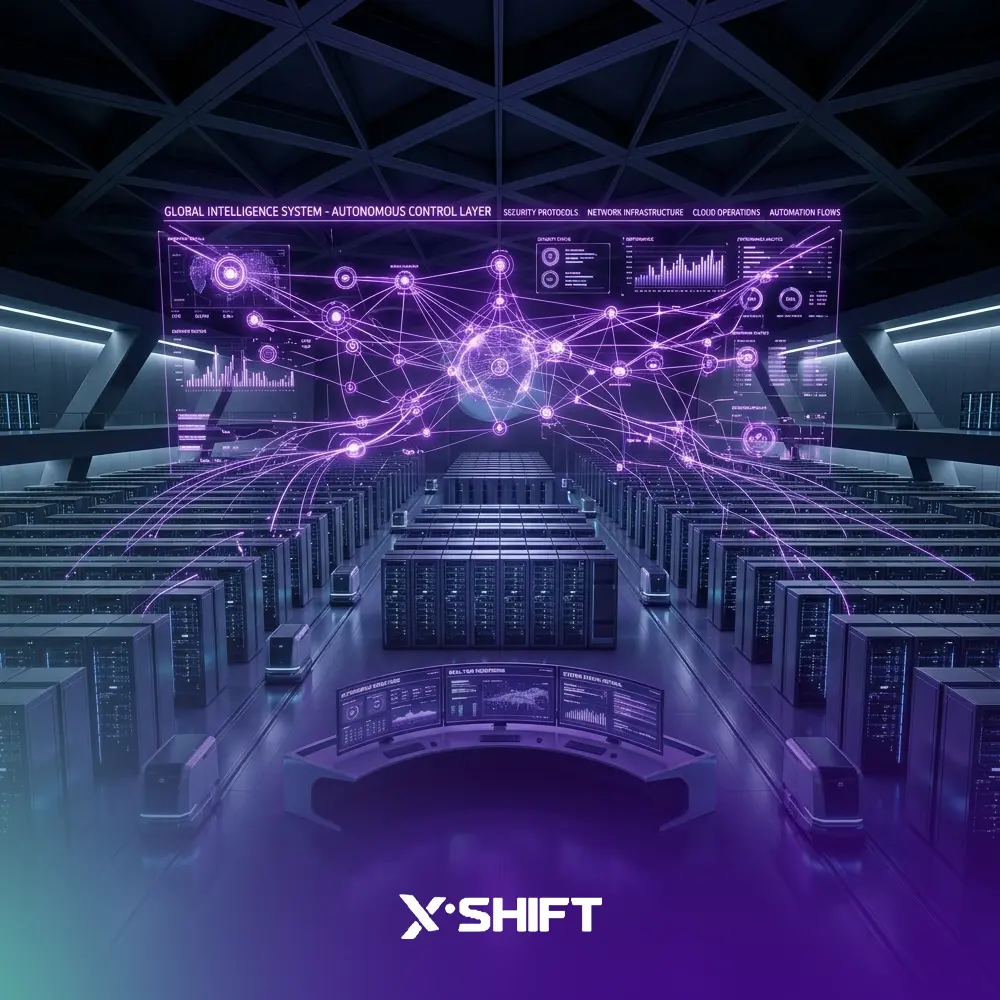
The future of enterprise infrastructure management will be shaped by artificial intelligence, predictive analytics, and intelligent automation technologies. Businesses investing in modern support ecosystems will continue evolving toward more autonomous and interconnected operational environments.
AI Driven Infrastructure Management
Artificial intelligence technologies will increasingly automate monitoring, issue detection, and operational optimization processes. Organizations implementing Managed IT Services will improve efficiency and reduce operational complexity through intelligent infrastructure management systems.
Predictive Operational Intelligence
Advanced analytics platforms will allow organizations to predict operational risks and infrastructure failures before disruptions occur. Businesses using Managed IT Services will gain stronger visibility into performance trends and future operational challenges.
Autonomous Support Ecosystems
Future managed environments will rely on interconnected systems capable of managing operational workflows and infrastructure performance with minimal human intervention. This transformation will improve scalability, operational resilience, and business agility significantly.
The growing complexity of modern digital infrastructures has made Managed IT Services an essential operational strategy for enterprises seeking efficiency, security, and scalability. Organizations that invest in proactive infrastructure management can reduce downtime, strengthen cybersecurity, improve productivity, and support sustainable long term growth.
With advanced technologies and enterprise focused operational solutions, x-shift helps organizations optimize Managed IT Services through intelligent automation, digital transformation services, and scalable support ecosystems. By leveraging these technologies effectively, enterprises can build future ready operational environments that support innovation, resilience, and long term business success.