
How Computer Vision in Retail Transforms Modern Store Operations
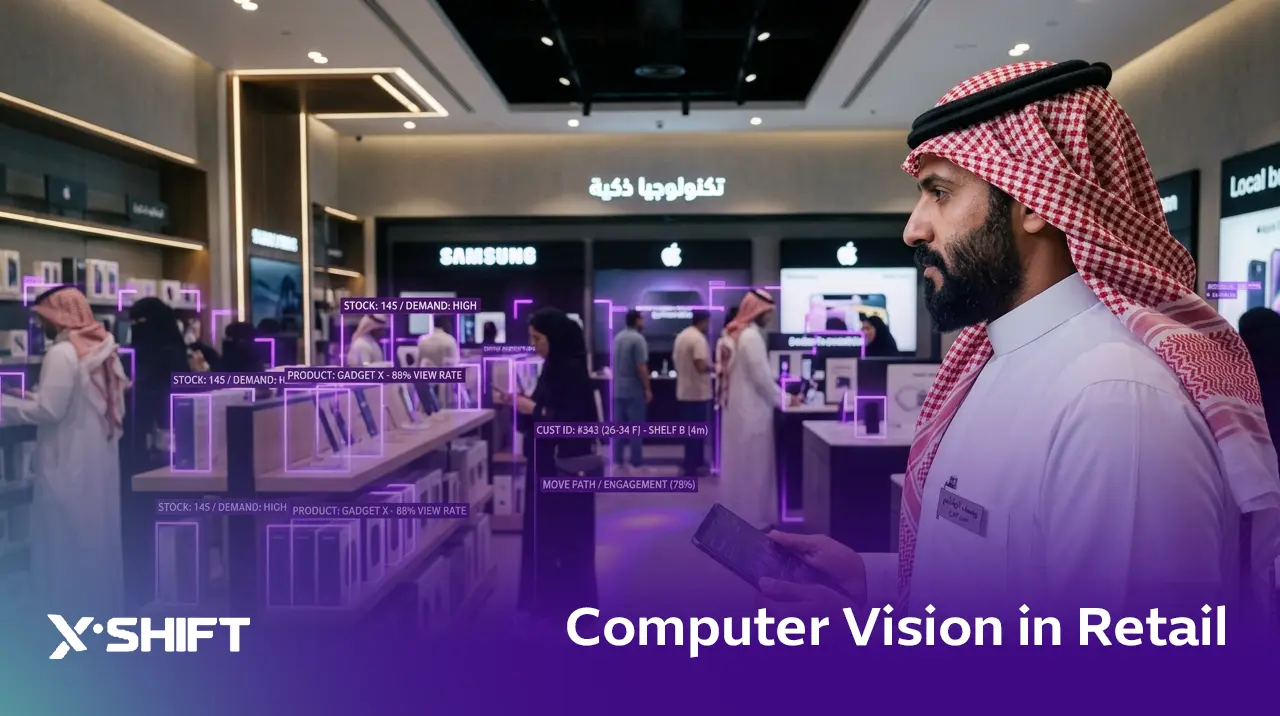
The retail industry is experiencing a major transformation driven by artificial intelligence, automation, and data intelligence. Among the most influential innovations shaping the future of retail operations is Computer Vision in Retail. This technology allows businesses to analyze visual data in real time, automate operational processes, improve customer experiences, and optimize store performance with unprecedented accuracy and efficiency.
As retail competition becomes increasingly aggressive, enterprises are adopting Computer Vision in Retail to gain deeper operational insights and improve customer engagement across physical and digital channels. Retail organizations are no longer relying solely on traditional analytics because visual intelligence technologies now provide more precise and actionable information. With advanced solutions from x-shift, enterprises can integrate intelligent visual systems into their retail ecosystems to improve efficiency, scalability, and business growth.
The Importance of Computer Vision in Retail
Retail businesses generate enormous amounts of visual and operational data every day through customer interactions, inventory movements, and in store activities. Computer Vision in Retail enables organizations to transform this visual information into meaningful operational intelligence that improves performance and supports strategic decision making.
Enhancing Customer Experience
Retailers can use visual intelligence technologies to better understand customer behavior and shopping patterns inside stores. Computer Vision in Retail helps businesses optimize store layouts, reduce waiting times, and create personalized shopping experiences that improve customer satisfaction and increase loyalty across multiple retail channels.
Improving Operational Efficiency
Manual monitoring of retail operations is both time consuming and resource intensive. Through Computer Vision in Retail, organizations can automate store monitoring, shelf management, and operational tracking processes. This improves execution speed, reduces errors, and allows retail teams to focus on strategic business activities.
Strengthening Business Intelligence
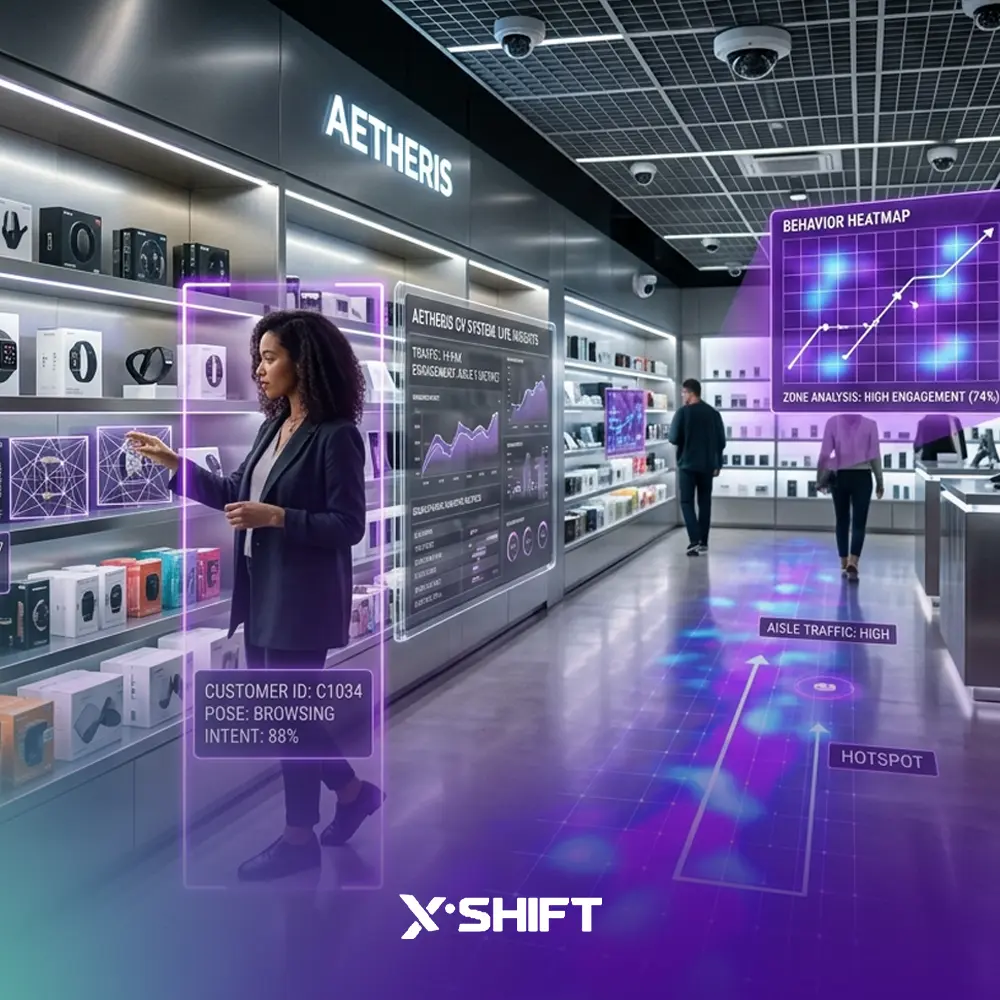
Visual data analysis provides retailers with deeper operational insights that support more accurate business planning. Computer Vision in Retail allows enterprises to track customer movement patterns, measure engagement levels, and identify operational inefficiencies in real time, enabling smarter business decisions and better resource allocation.

Core Technologies Behind Computer Vision in Retail
The rapid development of artificial intelligence and visual analytics technologies has accelerated the adoption of intelligent retail solutions. Understanding the technologies supporting Computer Vision in Retail helps organizations identify the right strategies for operational transformation and customer engagement.
Artificial Intelligence and Deep Learning
Artificial intelligence and deep learning algorithms allow systems to analyze images and video streams with high accuracy. These technologies support Computer Vision in Retail by identifying customer behaviors, monitoring store activities, and detecting operational anomalies in real time. This enables retailers to improve efficiency and decision making across store environments.
Real Time Image Recognition
Image recognition systems allow retailers to identify products, customers, and inventory movements automatically. Through Computer Vision in Retail, businesses can improve checkout experiences, automate stock tracking, and optimize merchandising strategies using intelligent visual processing technologies.
Predictive Retail Analytics
Predictive analytics powered by visual data intelligence enables retailers to forecast customer trends and operational needs more accurately. Computer Vision in Retail helps organizations analyze shopping behaviors and predict future purchasing patterns, allowing enterprises to improve inventory management and increase profitability.
How x-shift Supports Computer Vision in Retail
x-shift provides advanced enterprise solutions designed to help retail organizations implement intelligent visual technologies effectively. Through integrated AI systems and scalable digital platforms, x-shift enables businesses to modernize retail operations and improve customer experiences.
Agentic Artificial Intelligence
The Agentic Artificial Intelligence solutions from x-shift help retailers automate customer interactions, optimize workflows, and improve operational responsiveness. These intelligent systems process information in real time and support personalized customer engagement strategies that strengthen business performance.
Computer Vision
The Computer Vision solutions offered by x-shift enable retailers to monitor operational environments, analyze customer behavior, and automate store management processes. These technologies support retail organizations in improving efficiency, reducing operational risks, and enhancing customer experiences across physical store locations.
Customer Experience Solutions
x-shift provides Customer Experience Solutions that help retailers create seamless and personalized shopping journeys. By integrating customer data and visual analytics, businesses can improve engagement, strengthen loyalty, and optimize communication strategies across multiple customer touchpoints.
Digital Transformation Services
The Digital Transformation Services provided by x-shift help retail enterprises modernize infrastructure, integrate intelligent systems, and improve operational agility. These services support organizations in building scalable digital ecosystems capable of adapting to evolving market demands.
Managed Services
x-shift offers Managed Services that provide continuous monitoring, technical support, and operational optimization for retail infrastructures. These services help organizations maintain system stability while focusing on strategic growth and customer experience improvement.

Business Applications of Computer Vision in Retail
Retail enterprises are increasingly adopting visual intelligence technologies to improve operational visibility and automate key business processes. Computer Vision in Retail delivers measurable value across customer engagement, inventory management, and store operations.
Intelligent Inventory Management
Retailers can use visual analytics systems to track inventory levels automatically and identify stock shortages in real time. Computer Vision in Retail improves inventory accuracy, reduces waste, and minimizes operational disruptions caused by manual inventory tracking processes.
Automated Checkout Experiences
Visual recognition technologies support frictionless checkout systems that improve customer convenience and reduce waiting times. Through Computer Vision in Retail, businesses can automate payment and product identification processes, creating faster and more efficient retail experiences.
Customer Behavior Analysis
Retailers can analyze customer movement patterns and engagement behaviors through intelligent camera systems. Computer Vision in Retail allows organizations to identify high traffic areas, optimize store layouts, and improve merchandising strategies to increase sales performance and customer satisfaction.
Benefits of Computer Vision in Retail for Enterprises
Organizations implementing visual intelligence technologies are experiencing major operational and financial improvements across retail environments. Computer Vision in Retail helps enterprises improve productivity, reduce operational costs, and strengthen customer engagement strategies.
Increased Operational Visibility
Visual intelligence systems provide real time visibility into store operations and customer activities. This allows retail organizations to identify inefficiencies quickly, improve staff allocation, and optimize operational performance across multiple store locations.
Reduced Operational Costs
By automating monitoring and inventory management processes, retailers can significantly reduce labor costs and operational inefficiencies. Computer Vision in Retail supports long term cost optimization while improving execution consistency and business scalability.
Enhanced Retail Security
Retail businesses can use intelligent visual systems to improve store security and loss prevention. Computer Vision in Retail helps identify suspicious activities, monitor restricted areas, and strengthen overall retail safety through advanced real time analytics.
Challenges of Implementing Computer Vision in Retail
Despite the significant advantages of intelligent visual technologies, organizations may face several challenges during implementation. Understanding these obstacles is essential for building successful and scalable retail automation strategies.
Data Privacy Concerns
Retail organizations handling customer visual data must ensure compliance with privacy regulations and data protection standards. Businesses implementing Computer Vision in Retail need strong governance frameworks and transparent security policies to maintain customer trust and regulatory compliance.
Infrastructure Integration
Integrating visual intelligence systems with existing retail infrastructures can be technically complex. Organizations must develop structured implementation strategies that minimize operational disruptions while ensuring compatibility with current systems and processes.
Employee Adaptation
Retail staff may initially resist operational changes introduced through automation technologies. Businesses should invest in training programs and change management initiatives that help employees adapt to new digital workflows and intelligent systems.
Best Practices for Implementing Computer Vision in Retail
Successful implementation of visual intelligence technologies requires strategic planning, operational alignment, and continuous optimization. Organizations following structured implementation approaches are more likely to achieve long term success and measurable operational improvements.
Define Clear Business Objectives
Before deploying intelligent visual systems, organizations should identify specific operational goals and performance targets. Clear objectives help retailers prioritize investments and measure the effectiveness of Computer Vision in Retail initiatives across business functions.
Focus on High Impact Retail Areas
Businesses should initially implement visual intelligence technologies in operational areas that generate measurable value, such as inventory management, customer engagement, or checkout automation. This allows organizations to achieve quick operational improvements while building confidence in intelligent systems.
Continuously Monitor System Performance
Computer Vision in Retail requires ongoing optimization and performance evaluation to maintain operational effectiveness. Retailers should regularly analyze system outputs, operational metrics, and customer experiences to identify opportunities for improvement and innovation.
The Future of Computer Vision in Retail
The future of retail operations will be increasingly shaped by intelligent visual technologies capable of automating complex workflows and improving customer experiences. Computer Vision in Retail will continue evolving as organizations adopt more advanced AI ecosystems and integrated automation frameworks.
Hyper Personalized Shopping Experiences
Future visual intelligence systems will deliver highly personalized customer experiences based on behavioral analysis and predictive insights. Retailers will use Computer Vision in Retail to create customized promotions, targeted recommendations, and dynamic store interactions.
Autonomous Retail Operations
Retail environments will increasingly rely on autonomous systems capable of managing inventory, monitoring customer flows, and optimizing store performance with minimal human intervention. These technologies will improve operational scalability and business agility.
Advanced Retail Analytics
Future retail analytics platforms will combine visual intelligence, predictive modeling, and real time operational monitoring into unified ecosystems. Computer Vision in Retail will provide deeper insights that support strategic planning and improve enterprise decision making.
The growing demand for operational efficiency, customer engagement, and intelligent automation has made Computer Vision in Retail a critical technology for modern enterprises. Organizations that successfully implement visual intelligence systems can improve operational visibility, reduce costs, enhance customer experiences, and strengthen long term competitiveness in evolving retail markets.
With advanced technologies and enterprise focused solutions, x-shift helps organizations implement Computer Vision in Retail through intelligent automation, digital transformation services, and scalable operational support. By leveraging these technologies effectively, retail enterprises can build future ready ecosystems that support innovation, profitability, and sustainable business growth.